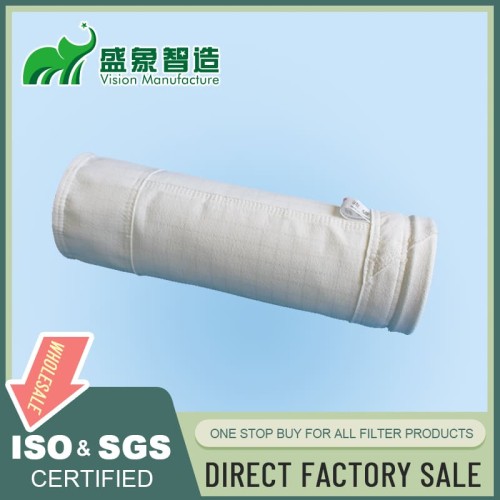

Dust Filter Bag Manufacturer Guide: Custom Solutions for Indian Cement Kilns
Introduction
Indian cement plants face relentless dust challenges in kiln operations, where high temperatures and abrasive clinker particles strain standard filtration systems. As a dust filter bag manufacturer with expertise in custom designs, we address these issues by tailoring solutions that enhance baghouse efficiency and ensure compliance with tightening emission norms. This guide explores how specialized filter bags can reduce maintenance costs while meeting the unique demands of India's cement sector.
Key Properties and Benefits
- High-Temperature Resistance: Materials like PTFE and P84 withstand up to 260°C, preventing bag failure in hot kiln exhausts.
- Abrasion Durability: Reinforced fabrics resist wear from sharp clinker dust, extending service life by 20-30% in abrasive environments.
- Chemical Corrosion Protection: Acid-resistant coatings guard against sulfur and other corrosive gases common in Indian coal-fired kilns.
- Efficient Dust Cake Release: Pulse-jet compatible designs minimize pressure drops, cutting energy use for cleaning cycles.
- Custom Sizing and Pleating: Tailored dimensions fit existing baghouses, optimizing airflow and filtration surface area.
Applications
In Indian cement kilns, custom dust filter bags are essential for capturing fine particulates from raw mill and kiln stacks. They excel in high-volume operations where dust loads exceed 500 g/Nm³, supporting plants in regions like Rajasthan and Andhra Pradesh. These bags integrate seamlessly with dust filter bags systems, handling variable conditions from preheater towers to clinker coolers.
Real-World Case Example
- A mid-sized cement plant in Gujarat upgraded to custom P84 filter bags in their kiln baghouse.
- Previous polyester bags failed after 12 months due to abrasion, causing emissions spikes above 50 mg/Nm³.
- New bags extended life to 24 months, reducing replacement costs by 35%.
- Emission levels dropped to under 20 mg/Nm³, ensuring compliance with local norms.
- Energy savings from lower pressure drops amounted to INR 5 lakhs annually.
- Overall, downtime decreased by 40%, boosting production efficiency.
Recent Industry Context
In October 2025, India's Greenhouse Gases Emission Intensity Target Rules mandated a 3.4% reduction in CO₂ intensity for cement units by 2026-27. This pushes manufacturers toward advanced filtration to minimize fugitive dust, which contributes to overall emissions. Non-compliance risks penalties at twice the carbon credit price, making efficient dust control critical for cost management.
Practical Recommendations
- Assess kiln conditions: Measure temperature peaks and dust abrasiveness to select P84 or fiberglass media.
- Opt for custom coatings: Add anti-static layers for coal dust handling in Indian plants.
- Schedule regular inspections: Monitor bag tension and pulse settings to avoid over-cleaning and energy waste.
- Integrate with monitoring: Use IoT sensors for real-time emission tracking, aligning with new regulations.
- Partner with suppliers: Choose a dust filter bag manufacturer offering on-site audits for tailored solutions.
Comparison Chart
| Material | Max Temp (°C) | Abrasion Resistance | Cost Efficiency |
|---|---|---|---|
| Polyester | 135 | Medium | High |
| P84 | 240 | High | Medium |
| PTFE | 260 | Excellent | Medium-High |
| Fiberglass | 260 | High | Medium |
Frequently Asked Questions
- What is the best material for high-temperature cement kiln filter bags? P84 or PTFE offer superior resistance up to 260°C, ideal for Indian kilns with abrasive dust.
- How do custom dust filter bags help with emission compliance in India? They capture finer particles, reducing levels below 20 mg/Nm³ to meet 2025 GHG targets.
- What causes filter bag failure in cement plants? High abrasion from clinker and temperature fluctuations; custom designs mitigate this with reinforced fabrics.
- Can filter bags be customized for existing baghouses? Yes, we provide tailored sizes and pleats to fit filter fabrics in any setup.
- How often should dust filter bags be replaced in kilns? Every 18-24 months, depending on conditions; regular maintenance extends this.
Conclusion
Custom dust filter bags are key to optimizing Indian cement kiln operations amid rising regulatory pressures. Contact us for a free quote on tailored solutions that cut costs and emissions. Download our Filter Life Calculator to assess your needs today.
Author Bio: As the Chief Content Strategist and Industrial Filtration Expert for airfiltercartridge.com, Sam brings over 15 years of experience in B2B manufacturing, focusing on SEO-driven content that empowers engineers and buyers with practical insights.