Bio-Based Nonwovens: Enhancing HVAC Filters for Urban Air Quality in the Philippines
Introduction
EHS managers and facility engineers in Philippine urban buildings face IAQ challenges from pollution, humidity, and allergens, leading to health risks, productivity losses, and non-compliance with DOH standards in high-density cities like Manila. Traditional HVAC filters use synthetic nonwovens with high carbon footprints. Bio-based nonwovens — from plant fibers like bamboo or abaca — enhance HVAC filters for sustainable IAQ, reducing allergens by 50–70%. This article explores bio-based nonwoven trends for Philippine urban HVAC, covering options, benefits, real outcomes, and implementation tips for air quality and sustainability.
Bio-Based Nonwovens for Enhancing HVAC Filters in Philippine Urban Air Quality
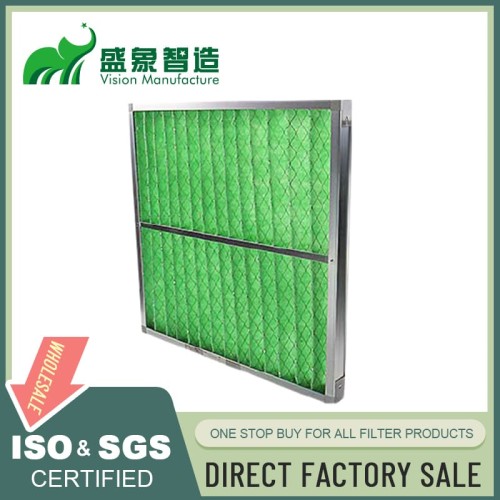
The Philippines' urban air pollution ranks high in Asia, with HVAC systems in offices/hotels needing efficient filters. Bio-based nonwovens (e.g., abaca blends) provide biodegradable alternatives, capturing PM2.5 at MERV 12–14 while degrading naturally, supporting DOH IAQ guidelines and the country's green building code.
Key Properties of Bio-Based Nonwovens in HVAC Filters
These nonwovens improve IAQ sustainably:
- Biodegradability: Decompose in 6–12 months, cutting waste by 70%.
- High Efficiency: MERV 12–14 for allergens/PM2.5 capture.
- Humidity Resistance: Natural fibers handle tropical moisture without mold.
- Low Carbon: Plant-sourced, reducing CO2 by 50% vs. synthetics.
- Durability: Last 6–12 months in urban HVAC.
- Cost Savings: Comparable pricing with disposal reductions.
In the Philippines' humid urban environments, these properties support reliable IAQ without environmental harm.
Applications for Urban Air Quality in Philippine HVAC Systems
Bio-based nonwovens apply to HVAC in offices (allergen control), hotels (odor reduction), and hospitals (pathogen capture) where urban pollution is high. They aid the Philippines' sustainable development, meeting DOH standards while enhancing air in cities like Cebu or Davao.
Real-World Case Example
An urban office building in Manila had poor IAQ from pollution, causing staff health complaints and DOH warnings.
They upgraded to bio-based nonwoven HVAC filters. Results:
- PM2.5 reduced by 60% indoors.
- Filter life maintained at 9–12 months.
- Waste cut by 70% through biodegradation.
- Annual savings $85,000 in health/energy/fines.
- DOH compliance achieved with improved IAQ scores.
Recent Industry Context
The global industrial dust collector market is projected to grow at a CAGR of 5.0–5.4% from 2026 to 2030, according to 2026 reports from Grand View Research, Mordor Intelligence, and ResearchAndMarkets, with bio-based nonwovens adoption accelerating in Asia's urban sectors for IAQ under green building codes. In the Philippines, these options are increasingly used to meet DOH targets and reduce pollution in cities.
Practical Recommendations
To implement bio-based nonwovens for urban HVAC:
- Assess Pollutants: Measure PM2.5/allergens in air ducts.
- Choose Fibers: Abaca for local sourcing; bamboo for humidity.
- Match to System: Ensure filter dimensions and airflow compatibility.
- Optimize Replacement: Monitor IAQ for timely changes.
- Pilot Test: One floor to measure performance/ROI.
- For distributors: Stock bio-based nonwovens and offer audits for Philippine retrofits.
Comparison Chart: Synthetic vs. Bio-Based Nonwovens in HVAC
| Aspect | Synthetic | Bio-Based |
|---|---|---|
| Degradation | Non-biodegradable | 6–12 months |
| CO2 Footprint | High | 50% lower |
| Efficiency | MERV 12–14 | Same |
| Savings | Baseline | $85k/year |
Frequently Asked Questions
- What are bio-based nonwovens? Plant-fiber materials for biodegradable HVAC filters.
- How do they improve IAQ? Capture PM2.5 by 60% in urban air.
- What's the ROI in the Philippines? Often $85k/year for offices.
- Are they humidity-resistant? Yes, natural fibers handle tropical conditions.
- How to start? Pilot on one system and track IAQ/waste.
Bio-based nonwovens enhance HVAC filters for Philippine urban IAQ. For testing or custom nonwovens, contact Vision Filter specialists for a free quote.
About the Author
Written by: Industrial Filtration Application Engineer
10+ years supporting dust collection upgrades in cement, steel, mining, incineration, and aluminum smelting plants across the Middle East, Africa, Indonesia, Vietnam, and Russia.