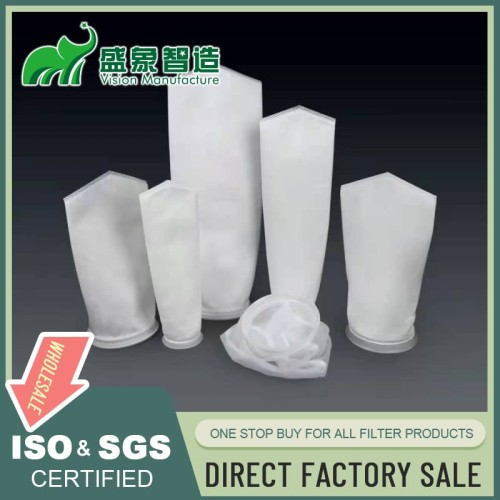

Hybrid Wet-Dry Filtration: Meeting Stricter PM2.5 Limits in Nigerian Manufacturing Zones
Introduction
EHS managers and plant engineers in Nigerian manufacturing zones face stricter PM2.5 limits from 2026 regulations, with fines, shutdowns, or license revocations for non-compliance in high-dust sectors like textiles, food processing, and pharmaceuticals. Variable dust and gases make control difficult. Hybrid wet-dry filtration combines scrubbers for gases with dry media for particulates, achieving 99.99% efficiency. This article compares hybrid strategies for Nigeria, covering benefits, applications, real outcomes, and tips for PM2.5 compliance.
Hybrid Wet-Dry Filtration for PM2.5 Compliance in Nigerian Manufacturing
Nigeria's 2026 regulations target <20–40 μg/m³ PM2.5 in manufacturing. Hybrids integrate wet scrubbers (gas removal) with dry cartridges (particulate capture), reducing wastewater while meeting NESREA standards in zones like Lagos or Kano.
Key Benefits of Hybrid Wet-Dry Filtration in Manufacturing
Hybrids offer balanced control:
- High Efficiency: 99.99% for PM2.5 and gases.
- Low Water Use: 50–70% less than wet-only.
- Energy Optimization: Lower ΔP than dry-only in mixed streams.
- Reduced Waste: Minimize sludge from wet stages.
- Compliance Support: Meet NESREA audits with monitoring.
- Cost Savings: Cut OPEX by $100k+/year in downtime/water.
In Nigeria's humid zones, hybrids support reliable operations and sustainability.
Applications in Nigerian Manufacturing Zones
Hybrids suit textile dyeing (dyes/gases), food drying (organic dust), and pharma venting (fine particulates) where wet-dry combo is needed. They aid Nigeria's industrial growth, meeting NESREA PM2.5 limits while optimizing energy in expanding facilities.
Real-World Case Example
A textile manufacturing plant in Nigeria faced PM2.5 non-compliance from dye dust and gases, risking NESREA fines.
They implemented hybrid wet scrubber + dry cartridge system with nanofiber media. Results:
- PM2.5 emissions reduced below 20 μg/m³.
- Water use cut by 60%.
- ΔP stabilized 35% lower.
- Annual savings $105,000 in water/energy/fines.
- Full 2026 compliance achieved early.
Recent Industry Context
The global industrial dust collector market is projected to grow at a CAGR of 5.0–5.4% from 2026 to 2030, according to 2026 reports from Grand View Research, Mordor Intelligence, and ResearchAndMarkets, with hybrid adoption accelerating in Africa's manufacturing for PM2.5 control under NESREA and sustainability goals.
Practical Recommendations
To implement hybrids for PM2.5:
- Assess Pollutants: Analyze dust/gas mix for wet-dry balance.
- Choose Media: Nanofiber for dry stage; corrosion-resistant for wet.
- Design Integration: Minimize water with efficient scrubbers.
- Monitor Emissions: Use IoT for real-time compliance data.
- Pilot Test: One line to measure efficiency/costs.
- For distributors: Offer hybrid kits for Nigerian retrofits.
Comparison Chart: Wet vs. Dry vs. Hybrid in Manufacturing
| Aspect | Wet-Only | Dry-Only | Hybrid |
|---|---|---|---|
| Efficiency (PM2.5) | 90–95% | 99% | 99.99% |
| Water Use | High | None | 60% lower |
| Energy | High | Low | 35% lower |
| Savings | Baseline | Baseline | $105k/year |
Frequently Asked Questions
- What is hybrid wet-dry filtration? Wet scrubber for gases + dry media for dust.
- How does it meet 2026 PM2.5? 99.99% efficiency for fine particulates.
- What's the ROI in Nigeria? Often $105k/year for manufacturing.
- Can it reduce water use? Yes, 60% less than wet-only.
- How to start? Pilot on one vent and track emissions.
Hybrid wet-dry filtration meets stricter PM2.5 in Nigerian manufacturing. For audits or custom hybrids, contact Vision Filter specialists today for a free quote.
About the Author
Written by: Industrial Filtration Application Engineer
10+ years supporting dust collection upgrades in cement, steel, mining, incineration, and aluminum smelting plants across the Middle East, Africa, Indonesia, Vietnam, and Russia.