
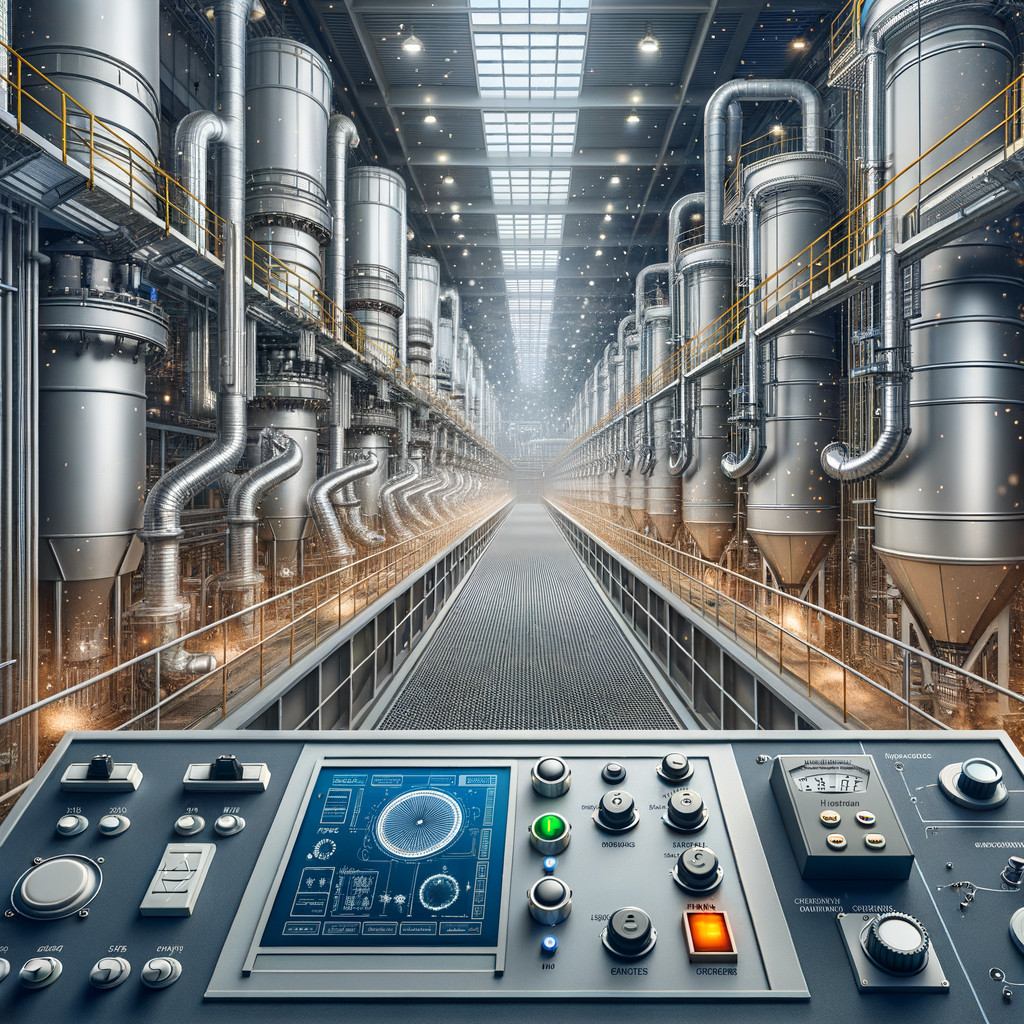
Automated Self-Cleaning Filters: Efficiency Gains for High-Dust Environments in Russian Petrochemicals
Introduction
Plant managers and maintenance engineers in Russian petrochemical facilities often deal with frequent baghouse cleaning issues from high-dust hydrocarbon loads, leading to downtime, high energy use from manual pulses, emission spikes, and non-compliance with Rosstandart standards. Traditional filters require labor-intensive maintenance, risking safety in hazardous zones. Automated self-cleaning filters use sensors and controls for on-demand cleaning, reducing manual intervention and optimizing performance. This article explores 2026 automated self-cleaning trends for Russian petrochemicals, covering benefits, applications, real outcomes, and implementation tips for efficiency and compliance.
Automated Self-Cleaning Filters for High-Dust Efficiency in Russian Petrochemicals
Russia's petrochemical industry handles high-dust streams in cracking, drying, and venting. Automated self-cleaning filters integrate sensors (ΔP, dust load) with AI controls to pulse only when needed, reducing wear and energy by 30–50% (per 2026 reports). These suit pulse-jet baghouses, supporting GOST standards in high-output plants like those in Tatarstan or Siberia.
Key Benefits of Automated Self-Cleaning Filters in Petrochemicals
Automation enhances dust control:
- On-Demand Cleaning: Sensors trigger pulses, cutting frequency by 50–60%.
- Energy Savings: Reduce compressed air use by 30–40%.
- Extended Filter Life: Minimize stress, boosting life by 40%.
- Remote Control: App-based monitoring for safety in hazardous areas.
- Compliance Support: Automated logs for Rosstandart audits.
- Cost Reduction: Lower OPEX by $100k+/year in labor/energy.
In Russia's remote, high-dust plants, automation supports reliable operations and sustainability.
Applications in Russian Petrochemical High-Dust Environments
Automated filters apply to drying vents (sticky residues), cracking exhaust (corrosive dust), and silo loading (variable loads) where manual cleaning is risky. They aid Russia's petrochemical export, meeting GOST PM standards while optimizing energy in expanding facilities like Sibur or Rosneft.
Real-World Case Example
A Russian petrochemical plant had frequent manual cleaning for dust buildup, causing weekly downtime and safety risks.
They implemented automated self-cleaning with ΔP sensors and AI controls. Results:
- Cleaning frequency reduced by 60%.
- Filter life extended from 12–18 to 30–36 months.
- Air use cut by 35%.
- Energy savings ~$120,000/year.
- GOST compliance achieved with lower emissions.
Recent Industry Context
The global industrial dust collector market is projected to grow at a CAGR of 5.0–5.4% from 2026 to 2030, according to 2026 reports from Grand View Research, Mordor Intelligence, and ResearchAndMarkets, with automated self-cleaning adoption accelerating in Russia's petrochemicals for efficiency under energy security goals.
Practical Recommendations
To implement automated self-cleaning in petrochemicals:
- Assess Dust Load: Measure variability to select sensors.
- Choose Controls: AI-based for on-demand pulsing.
- Integrate Systems: Link to PLC for remote access.
- Pilot Test: One vent line to measure ROI.
- Train Staff: On AI alerts and safety protocols.
- For distributors: Offer automated kits with sensors for Russian retrofits.
Comparison Chart: Manual vs. Automated Cleaning in Petrochemicals
| Aspect | Manual Cleaning | Automated |
|---|---|---|
| Cleaning Frequency | High | 60% lower |
| Filter Life | 12–18 months | 30–36 months |
| Energy Use | Baseline | 35% lower |
| Savings | Baseline | $120k/year |
Frequently Asked Questions
- What is automated self-cleaning? Sensor-triggered pulsing for dust removal.
- How does it reduce downtime? On-demand cleaning cuts frequency by 60%.
- What's the ROI in Russia? Often $120k/year for petrochemicals.
- Can it handle hydrocarbons? Yes, with chemical-resistant media.
- How to start? Pilot on one vent with sensors.
Automated self-cleaning filters boost efficiency in Russian petrochemicals. For audits or custom systems, contact Vision Filter specialists.
About the Author
Written by: Industrial Filtration Application Engineer
10+ years supporting dust collection upgrades in cement, steel, mining, incineration, and aluminum smelting plants across the Middle East, Africa, Indonesia, Vietnam, and Russia.