Low-Carbon Filter Fabrics: Reducing Emissions in UAE Oil and Gas Refineries (Net-Zero 2026 Goals)
Introduction
Environmental managers and plant engineers in UAE oil & gas refineries face stringent net-zero goals by 2050, where traditional filter fabrics contribute to high carbon emissions from production and waste, risking non-compliance with ADNOC/TAQA standards, increased OPEX, and reputational damage. Low-carbon filter fabrics — recycled or bio-based materials — offer emission reductions while maintaining efficiency in dust/gas control. This article explores low-carbon fabric trends for UAE refineries, covering options, benefits, real outcomes, and implementation tips for net-zero compliance and efficiency.
Low-Carbon Filter Fabrics for Emission Reduction in UAE Oil & Gas Refineries
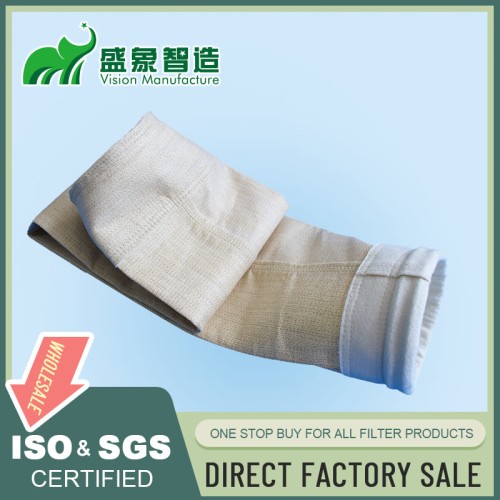
UAE's oil & gas sector, a global leader, generates dust and gases in refining/cracking. Low-carbon fabrics (e.g., recycled polyester blends) cut embodied CO2 by 50%, supporting ADNOC's net-zero by 2045. These suit baghouses for abrasive hydrocarbon dust, reducing lifecycle emissions per TAQA sustainability reports.
Key Properties of Low-Carbon Filter Fabrics
These fabrics balance eco-impact with performance:
- Low Embodied Carbon: Recycled content reduces CO2 by 50% vs. virgin.
- High Efficiency: MERV 13–15 for fine dust/gas capture.
- Chemical Resistance: Withstand hydrocarbons/acids in refinery streams.
- Durability: Abrasion-resistant for 18–36 month life.
- Recyclability: End-of-life recycling cuts waste by 60%.
- Cost Savings: Comparable pricing with disposal reductions.
In UAE's high-temp refineries, these properties support net-zero without performance loss.
Applications for Net-Zero Goals in UAE Oil & Gas Refineries
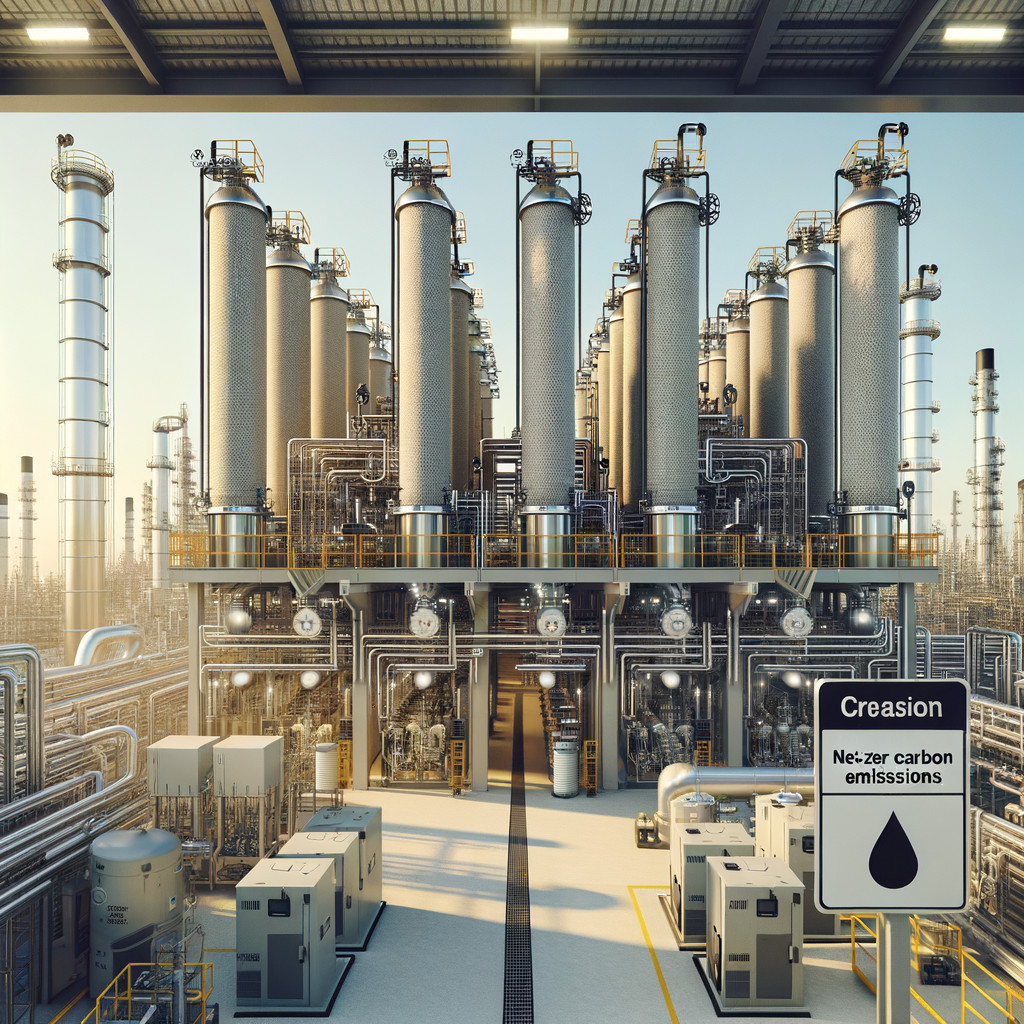
Low-carbon fabrics apply to baghouses in flare gas recovery (fine particulates), cracking exhaust (corrosive vapors), and dust silos (abrasive loads), aiding UAE's NDC targets for refinery emission cuts. They reduce waste in high-capacity facilities like Ruwais or Jebel Ali.
Real-World Case Example
An oil refinery in the UAE aimed for net-zero but faced high emissions from traditional fabric production/waste.
They switched to recycled low-carbon polyester fabrics. Results:
- Embodied CO2 reduced by 50% per fabric.
- Waste cut by 60% through recycling.
- Fabric life maintained at 24–30 months.
- Annual savings $105,000 in procurement/disposal.
- Consistent ADNOC compliance with lower emissions.
Recent Industry Context
The global industrial dust collector market is projected to grow at a CAGR of 5.0–5.4% from 2026 to 2030, according to 2026 reports from Grand View Research, Mordor Intelligence, and ResearchAndMarkets, with low-carbon fabrics adoption accelerating in Middle East oil & gas for net-zero goals. In UAE, recyclable options are increasingly used to meet NDC targets and reduce emissions in refineries.
Practical Recommendations
To implement low-carbon fabrics for net-zero:
- Assess Emissions: Calculate lifecycle CO2 for current vs. low-carbon options.
- Choose Blends: Recycled polyester for general; bio-additives for high-chemical.
- Match to System: Ensure fabric dimensions and cleaning compatibility.
- Track Metrics: Use ISO 14001 for emission reporting.
- Pilot Test: Trial on one line for performance/ROI.
- For distributors: Stock low-carbon fabrics and offer audits for UAE retrofits.
Comparison Chart: Traditional vs. Low-Carbon Fabrics
| Aspect | Traditional | Low-Carbon |
|---|---|---|
| Embodied CO2 | High | 50% lower |
| Waste Impact | Landfill | 60% less |
| Efficiency | MERV 13–15 | Same |
| Savings | Baseline | $105k/year |
Frequently Asked Questions
- What is low-carbon filter fabric? Recycled or bio-based materials reducing CO2 by 50%.
- How does it help net-zero? Cuts emissions/waste, supporting ADNOC reporting.
- What's the ROI in UAE? Often $105k/year for refineries.
- Can it handle hydrocarbons? Yes, with chemical-resistant blends.
- How to start? Pilot on one vent line and track CO2/savings.
Low-carbon filter fabrics reduce emissions in UAE refineries. For net-zero audits or custom fabrics, contact Vision Filter specialists.
About the Author
Written by: Industrial Filtration Application Engineer
10+ years supporting dust collection upgrades in cement, steel, mining, incineration, and aluminum smelting plants across the Middle East, Africa, Indonesia, Vietnam, and Russia.