Ceramic Filters for Liquid Filtration: Handling High-Temperature Corrosive Streams in Indian Power Generation
Introduction
Plant engineers and maintenance supervisors in Indian power generation facilities often deal with filter failures from high-temperature corrosive streams in boiler feedwater, condensate, and cooling systems, leading to equipment damage, efficiency losses, downtime, and non-compliance with BIS water standards. Traditional media degrade under heat and chemicals. Ceramic filters offer ultra-durable, high-temp resistance for liquid filtration, capturing particulates in corrosive environments. This article provides a practical guide to ceramic filters for Indian power generation, covering properties, benefits, real outcomes, and implementation tips for reliable operation.
Ceramic Filters for High-Temperature Liquid Filtration in Indian Power Generation
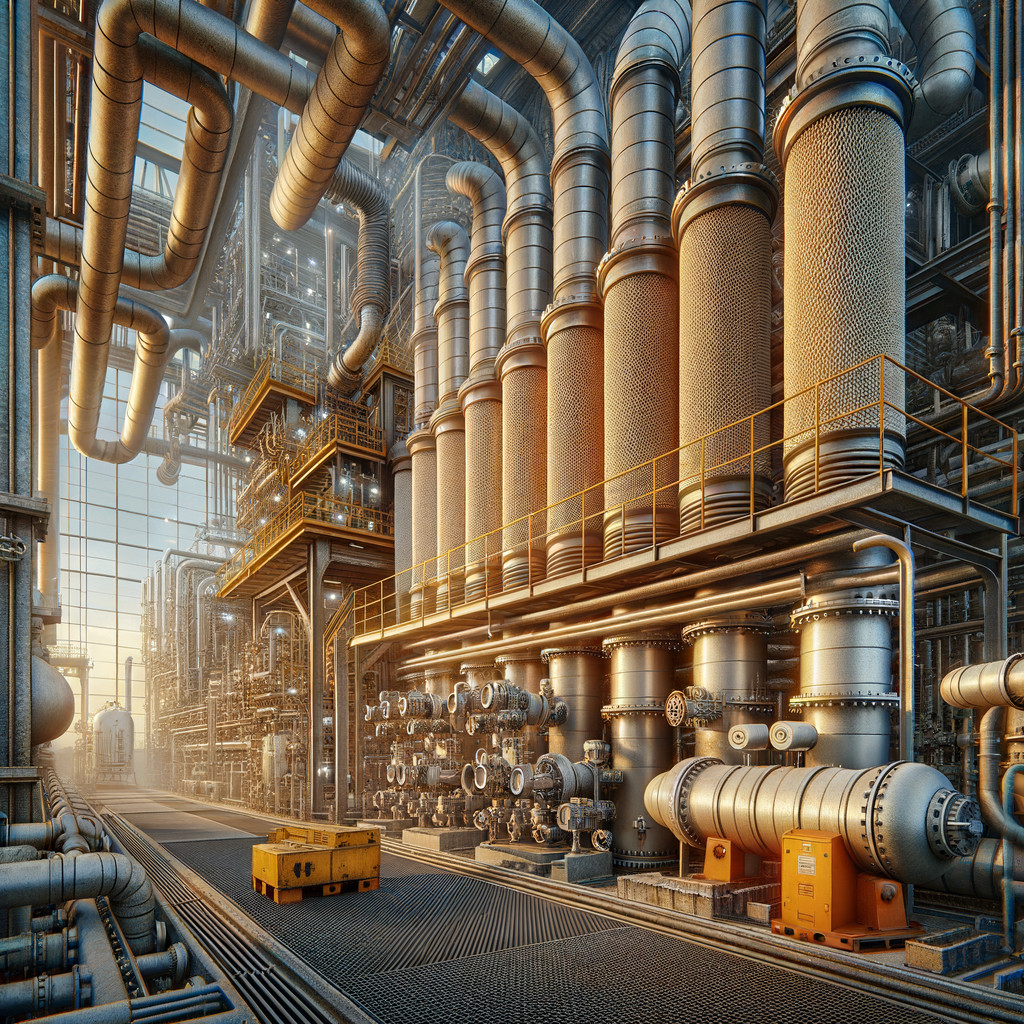
India's power sector handles hot, corrosive liquids in coal-fired or gas plants. Ceramic filters — porous alumina or silicon carbide media — withstand 200–400°C and acids/alkalis, providing fine capture (1–50 microns) with low ΔP. These suit cartridge or candle systems, supporting BIS 10500 standards and India's clean energy push.
Key Properties of Ceramic Filters in Corrosive Streams
Ceramic filters excel in harsh liquids. Core characteristics include:
- High Thermal Resistance: Operation up to 400°C without degradation.
- Superior Corrosion Resistance: Inert to acids, alkalis, and salts in boiler water.
- Fine Pore Structure: 1–50 micron capture for particulates like rust/scale.
- Regenerable: Backwashing or chemical cleaning extends life to 5–10 years.
- Low Pressure Drop: Porous design maintains flow in viscous streams.
- Cost Savings: Reduce replacements by 80% vs. polymeric media.
In India's coal-heavy power plants, these properties support efficiency and compliance.
Applications in Indian Power Generation Liquid Filtration
Ceramic filters apply to boiler feedwater (removing silica/iron), condensate polishing (corrosion control), and cooling water (scale prevention) in thermal plants. They aid India's renewable integration by improving efficiency in legacy coal facilities, meeting CEA guidelines.
Real-World Case Example
A coal-fired power plant in India experienced polymeric filter failures from corrosive boiler water, causing 2–3 month life and frequent shutdowns.
They upgraded to ceramic candle filters. Results:
- Filter life extended to 4–5 years.
- Capture efficiency 99.9% for silica/iron.
- ΔP reduced 40%.
- Downtime cut by 70%.
- Annual savings $150,000 in maintenance/energy.
Recent Industry Context
The global industrial dust collector market is projected to grow at a CAGR of 5.0–5.4% from 2026 to 2030, according to 2026 reports from Grand View Research, Mordor Intelligence, and ResearchAndMarkets, with India's power sector adopting ceramic media for high-temp liquid filtration amid clean energy transitions.
Practical Recommendations
To implement ceramic filters in power liquid filtration:
- Assess Stream Conditions: Measure temperature, pH, and particulates.
- Choose Material: Alumina for general; silicon carbide for extreme corrosion.
- Match to System: Ensure filter dimensions and flow compatibility.
- Optimize Cleaning: Use backwashing for regeneration.
- Monitor Performance: Track efficiency with turbidity meters quarterly.
- For distributors: Stock ceramic sizes for quick Indian retrofits.
Comparison Chart: Polymeric vs. Ceramic Filters in Power
| Aspect | Polymeric | Ceramic |
|---|---|---|
| Temp Resistance | Up to 150°C | 400°C |
| Life | 2–3 months | 4–5 years |
| Corrosion | Low | High |
| Savings | Baseline | $150k/year |
Frequently Asked Questions
- What are ceramic filters? Porous alumina/silicon carbide for high-temp liquids.
- How do they handle corrosion? Inert to acids/alkalis in boiler streams.
- What's the ROI in India? Often $150k/year in savings for power plants.
- Can they be regenerated? Yes, via backwashing for 5–10 year life.
- How to start? Assess stream and pilot on one line.
Ceramic filters handle high-temp corrosive streams in Indian power. For liquid testing or custom ceramics, consult Vision Filter specialists.
About the Author
Written by: Industrial Filtration Application Engineer
10+ years supporting dust collection upgrades in cement, steel, mining, incineration, and aluminum smelting plants across the Middle East, Africa, Indonesia, Vietnam, and Russia.