
Troubleshooting Common Failures: Blinding, Channeling and Cage Wear in High-Dust Asphalt Plants
Introduction
Plant managers and maintenance engineers in asphalt mixing plants frequently encounter baghouse failures like filter blinding, channeling, and cage wear from high-dust loads, sticky bitumen fumes, and abrasive aggregates at temperatures of 120–180°C. These issues cause high differential pressure, reduced airflow, frequent cleaning, premature bag replacements, increased energy costs, and emission non-compliance with local standards. Understanding and troubleshooting these common failures is essential for restoring performance and preventing downtime. This article provides a practical guide to diagnosing and fixing blinding, channeling, and cage wear in high-dust asphalt baghouses, including root causes, real-world fixes, and preventive strategies for reliable operation.
Troubleshooting Blinding, Channeling & Cage Wear in Asphalt Baghouses
Asphalt plants generate heavy loads of sticky, fine dust mixed with bitumen vapors, leading to three primary failures: blinding (pore blockage), channeling (airflow shortcuts through holes/cracks), and cage wear (deformation from vibration/abrasion). These reduce filtration efficiency, spike ΔP, and raise risks. Proper troubleshooting involves system audits, media upgrades, and cleaning adjustments to restore efficiency and extend life.
Key Causes of Common Baghouse Failures in Asphalt Plants
Failures stem from dust properties, operating conditions, and design flaws. Main causes include:
- Blinding: Sticky bitumen or hygroscopic dust clogs pores, raising ΔP; common in humid climates or poor cake release.
- Channeling: Holes, cracks, or poor seals allow unfiltered air bypass, reducing capture efficiency.
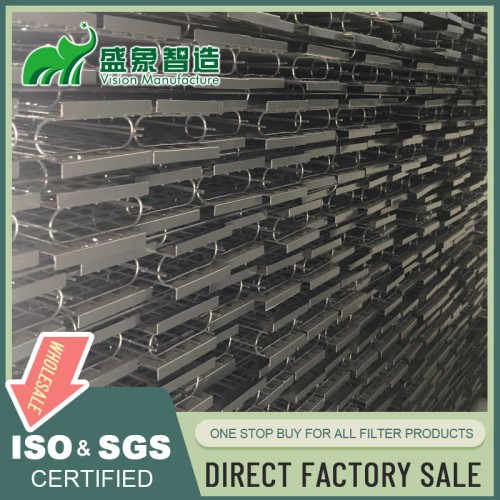
- Cage Wear: Vibration from mixers/conveyors or abrasive dust deforms cages, causing bag abrasion and tears.
- High Dust Loads: Overloading accelerates all failures, with asphalt dust often 50–100% finer than in other industries.
- Improper Cleaning: Over-pulsing wears fabric; under-pulsing causes blinding.
- Material Mismatch: Non-resistant media degrades from heat or chemicals.
In high-dust asphalt settings, these causes can cut bag life by 40–60%, increasing OPEX.
Applications in High-Dust Asphalt Mixing Plants
Asphalt baghouses handle dust from dryer drums, mixers, and silos, where high temperatures and sticky fumes demand robust filtration. Troubleshooting focuses on pulse-jet systems common in modern plants, supporting compliance with particulate limits (e.g., sub-30 mg/Nm³ in emerging markets). Effective fixes reduce emissions and downtime in continuous batch production.
Real-World Case Example
A batch asphalt plant in the Middle East experienced severe blinding and channeling from sticky bitumen dust, with cages deforming under vibration. Differential pressure spiked to 8–10" wg, emissions exceeded limits, and bags failed after 6–9 months.
The plant implemented upgrades: switched to PTFE-coated polyester bags for release, reinforced cages with closer ring spacing, and adjusted pulsing to clean-on-demand. Results:
- Blinding incidents reduced by 80%.
- Channeling eliminated with sealed seams.
- Cage wear minimized, extending life to 24+ months.
- Differential pressure stabilized 40–50% lower.
- Annual savings approximately $90,000 in energy, bags, and downtime.
- Emission compliance achieved consistently below 20 mg/Nm³.
Recent Industry Context
The global industrial dust collector market is projected to grow at a CAGR of 5.0–5.4% from 2025 to 2030, according to 2025 reports from Grand View Research, Mordor Intelligence, and ResearchAndMarkets, with asphalt and road construction driving demand for failure-resistant media and troubleshooting techniques amid stricter emission controls and energy efficiency goals.
Practical Recommendations
To troubleshoot and prevent failures:
- Diagnose Blinding: Check dust moisture/stickiness; upgrade to PTFE-coated bags and optimize pulse frequency.
- Fix Channeling: Inspect seams/seals; use glued or welded bags and ensure proper installation.
- Address Cage Wear: Use reinforced stainless cages with closer rings; monitor vibration and add damping.
- System Audit: Measure ΔP trends, dust load, and cleaning effectiveness; adjust air-to-cloth ratio if needed.
- Preventive Maintenance: Inspect quarterly; clean-on-demand to avoid over-cleaning.
- For distributors: Stock coated bags and reinforced cages for quick asphalt plant fixes.
Troubleshooting common failures improves reliability in high-dust asphalt plants. For baghouse audits or custom solutions, consult experienced filtration specialists.
About the Author
Written by: Industrial Filtration Application Engineer
10+ years supporting dust collection upgrades in cement, steel, mining, incineration, and aluminum smelting plants across the Middle East, Africa, Indonesia, Vietnam, and Russia.