
Static-Dissipative Media for Combustible Dust: Cartridge Upgrades in Grain and Biomass Handling
Introduction
Safety and process engineers in grain elevators, feed mills, and biomass handling facilities must address the serious risk of dust explosions caused by static electricity buildup in fine, organic, combustible dust clouds. Materials like wheat flour, corn starch, wood pellets, and dried biomass generate highly ignitable fines that can ignite from static sparks during pneumatic conveying, silo filling, or milling. Static-dissipative filter cartridges with conductive media and grounding features safely dissipate charges, preventing sparks while maintaining high filtration efficiency. This article provides a practical guide to static-dissipative cartridge upgrades for grain and biomass handling, covering media requirements, explosion risk reduction, real performance results, and implementation best practices to enhance safety and compliance.
Static-Dissipative Cartridges for Combustible Dust in Grain & Biomass
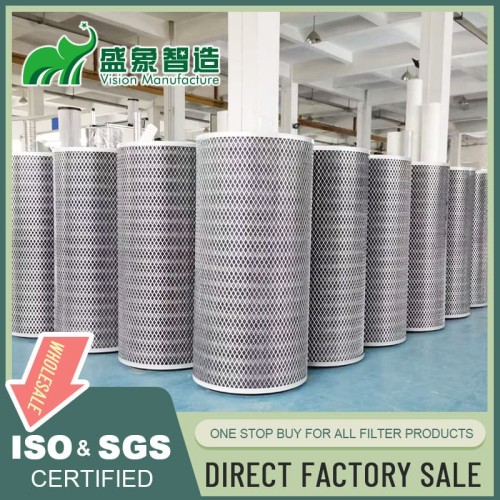
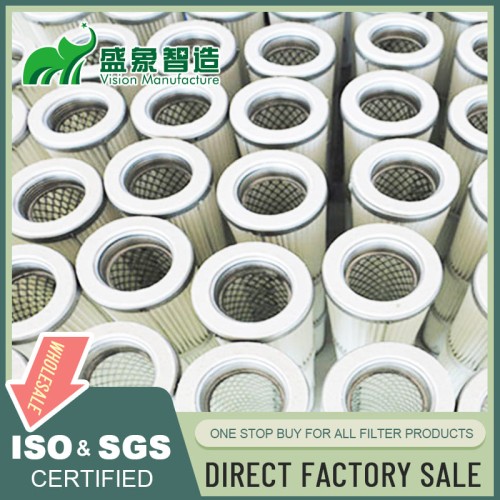
Grain and biomass dusts are classified as St1–St2 explosion hazards (Kst 50–200 bar·m/s) with low minimum ignition energy (MIE often <3 mJ), making static discharge a primary ignition source in conveying and storage systems. Static-dissipative pleated cartridges incorporate conductive fibers (e.g., carbon-loaded polyester or stainless steel scrim) and grounding tabs to safely bleed static charges to the collector housing. These cartridges suit pulse-jet systems in ATEX/IECEx or NFPA 654-compliant facilities, reducing explosion risk while capturing fine particulates effectively.
Key Properties of Static-Dissipative Media in Combustible Dust Applications
Static-dissipative cartridges must combine explosion prevention with reliable filtration. Critical properties include:
- Conductive Media: Carbon-impregnated or metallic fibers achieve surface resistivity <10⁹ Ω/sq, dissipating static charges before they reach spark levels.
- Grounding Compatibility: Built-in grounding straps or conductive end caps connect to earthed collector frame for continuous charge drainage.
- High Filtration Efficiency: MERV 13–15 (or higher with nanofiber) captures fine organic dust (1–50 μm) without compromising static dissipation.
- Explosion Protection: Meets ATEX Zone 20/21 or NFPA 654 requirements; prevents internal sparks in dust-laden environments.
- Good Dust Release: Surface treatments ensure effective cake dislodgement during pulsing, maintaining low ΔP in high-dust loads.
- Durability & Chemical Resistance: Polyester base with conductive additives withstands organic dusts and moderate moisture without degradation.
In grain and biomass handling, these features significantly lower ignition risk while supporting continuous operation and compliance with combustible dust standards.
Applications in Grain & Biomass Handling Facilities
Grain elevators, feed mills, and biomass pellet plants use cartridge collectors at bucket elevators, conveyors, silos, hammer mills, and dryers where dust explosions are a recognized hazard. Static-dissipative cartridges are essential in ATEX/IECEx classified zones or NFPA-compliant systems, protecting against static ignition in organic dust clouds. The upgrade suits facilities handling wheat, corn, soy, wood pellets, or agricultural residues, ensuring safety during high-throughput transfer and storage.
Real-World Case Example
A large grain handling terminal in Southeast Asia operated pulse-jet cartridge collectors on conveyor transfer points and silo vents. Fine wheat and corn dust generated static charges during pneumatic conveying, causing occasional minor discharges and raising explosion concerns. Standard cartridges lacked dissipation, leading to cautious pulsing and higher maintenance.
The facility upgraded to static-dissipative polyester cartridges with carbon-loaded media and grounding tabs. Results:
- Static buildup eliminated, with no discharges recorded post-upgrade.
- Cartridge life extended from 9–12 months to 18–24 months.
- Differential pressure reduced 30–40% due to better cake release.
- Compressed air usage cut by 45–55%.
- Annual savings approximately $65,000 in replacements, energy, and safety audits.
- Full compliance with ATEX-equivalent dust explosion protection standards achieved.
Recent Industry Context
The global industrial dust collector market is projected to grow at a CAGR of 5.0–5.4% from 2025 to 2030, according to 2025 reports from Grand View Research, Mordor Intelligence, and ResearchAndMarkets, with combustible dust safety driving demand for static-dissipative media in grain, biomass, and agricultural processing. Updated NFPA 654 and ATEX/IECEx guidelines in 2025–2026 continue to emphasize grounding and conductive filtration to mitigate explosion risks in organic dust handling facilities worldwide.
Practical Recommendations
To implement static-dissipative cartridges in grain & biomass handling:
- Conduct risk assessment: Perform dust explosibility testing (Kst, MIE) and zone classification per ATEX/NFPA to confirm conductive media need.
- Select dissipative media: Choose carbon-loaded polyester or metal-scrim cartridges with grounding tabs; verify resistivity <10⁹ Ω/sq.
- Ensure grounding: Connect cartridge end caps to earthed collector housing; use conductive gaskets and test continuity annually.
- Optimize cleaning: Use clean-on-demand pulsing (ΔP-triggered) at 80–100 psi to minimize static generation during cake removal.
- Monitor & inspect: Install static monitoring sensors if available; check cartridges quarterly for conductivity degradation or wear.
- For distributors: Stock ATEX-rated dissipative cartridges and provide grounding validation support for grain/biomass clients.
Static-dissipative filter cartridges provide essential safety in combustible dust environments for grain and biomass handling. For hazard analysis or cartridge selection support, consult specialized filtration and explosion protection engineers.
About the Author
Written by: Industrial Filtration Application Engineer
10+ years supporting dust collection upgrades in cement, steel, mining, incineration, and aluminum smelting plants across the Middle East, Africa, Indonesia, Vietnam, and Russia.