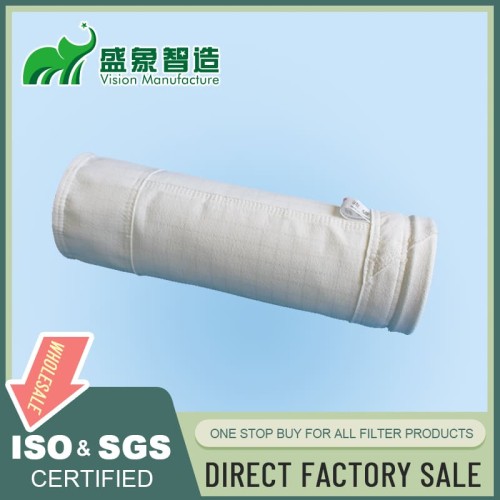

Waste Heat Recovery Integration: How Advanced Filter Media Supports Energy Efficiency in Vietnam Cement Kilns
Introduction
Energy managers and kiln operations engineers in Vietnamese cement plants are under increasing pressure to reduce specific heat consumption and overall energy intensity while maintaining reliable dust collection on preheater exhaust, kiln hood, and clinker cooler lines. High-temperature flue gases (180–350°C) carry fine, alkaline, and abrasive dust that can foul heat exchangers in waste heat recovery (WHR) systems, reducing boiler efficiency and power generation. Advanced filter media—high-temperature, low-differential-pressure fabrics and treated felts—play a critical role in protecting WHR equipment, minimizing pressure drop, and enabling stable heat recovery. This article explains how advanced filter media supports waste heat recovery integration in Vietnam cement kilns, covering media selection, system benefits, real performance gains, and practical implementation guidance for improved energy efficiency.
Advanced Filter Media for Waste Heat Recovery in Vietnam Cement Kilns
Vietnam's cement industry relies heavily on coal-fired rotary kilns with waste heat recovery boilers generating electricity from preheater and clinker cooler exhaust. Fine, high-temperature dust (silica, calcium compounds, alkali vapors) can deposit on boiler tubes, reducing heat transfer and power output. Advanced filter media (aramid, fiberglass, PTFE-laminated, or P84 blends) in baghouses upstream of WHR systems maintain low pressure drop and clean gas streams, ensuring consistent boiler performance and maximizing energy recovery in Vietnam's growing WHR adoption trend.
Key Properties of Filter Media Supporting WHR Energy Efficiency
Filter media must balance high-temperature durability with low pressure drop to protect WHR boilers without sacrificing dust capture. Essential properties include:
- High-Temperature Stability: Continuous operation at 200–260°C (e.g., aramid up to 204°C, fiberglass to 260°C) with low shrinkage to prevent bag failure near WHR inlets.
- Low Differential Pressure Design: Surface-treated or laminated media (PTFE, ePTFE) reduce ΔP by 30–50%, lowering fan power and preserving exhaust gas temperature for WHR boilers.
- Chemical & Alkali Resistance: Withstand alkali vapor and sulfur compounds from coal combustion without hydrolysis or embrittlement.
- Abrasion & Fine Dust Handling: Robust fibers resist clinker dust scouring while capturing submicron fines efficiently (MERV 13–15).
- Excellent Cake Release: PTFE or silicone finishes promote effective cleaning, preventing excessive buildup that could increase back pressure on WHR systems.
- Long Service Life: Coated media often last 24–48 months, reducing downtime and replacement costs in continuous kiln operations.
In Vietnam cement plants, these properties directly support higher WHR power output by delivering cleaner, lower-pressure exhaust to boilers.
Applications in Vietnam Cement Kiln Waste Heat Recovery Systems
Vietnam's cement sector has rapidly expanded WHR installations on preheater towers and grate coolers to offset rising electricity costs and meet national energy efficiency targets. Advanced filter media in upstream baghouses protect economizers and evaporators from dust fouling, maintain stable gas flow, and enable consistent steam/power generation. These upgrades are particularly valuable in plants using high-alkali coal or alternative fuels, where traditional media fail prematurely and reduce WHR ROI.
Real-World Case Example
A large cement plant in northern Vietnam operated pulse-jet baghouses on kiln exhaust feeding a WHR boiler system. Standard aramid bags experienced alkali attack and abrasion, causing frequent leaks and pressure spikes that reduced exhaust temperature and boiler efficiency. WHR power output was below design, and bag replacements occurred every 12–15 months.
The plant upgraded to PTFE-laminated fiberglass bags with high-temperature coating. Results:
- Differential pressure reduced 40–50% on average.
- Bag life extended to 30–36 months.
- WHR boiler efficiency increased 8–12%, boosting power generation.
- Fan energy consumption dropped 25–30%.
- Annual savings approximately $140,000 in energy, bags, and improved electricity output.
- Stack emissions remained well below Vietnamese QCVN standards.
Recent Industry Context
The global industrial dust collector market is projected to grow at a CAGR of 5.0–5.4% from 2025 to 2030, according to 2025 reports from Grand View Research, Mordor Intelligence, and ResearchAndMarkets, with waste heat recovery integration accelerating in Southeast Asia's cement sector. In Vietnam, government incentives for energy efficiency and rising electricity tariffs continue to drive WHR adoption, where advanced filter media upstream ensures reliable heat recovery and supports national goals for reduced carbon intensity in cement production.
Practical Recommendations
To integrate advanced filter media with WHR in Vietnam cement kilns:
- Assess exhaust profile: Measure temperature, alkali content, dust load, and dew point to select media (fiberglass/PTFE for high heat/alkali, aramid for moderate conditions).
- Prioritize low-ΔP media: Use laminated or surface-treated fabrics to minimize pressure loss before the boiler inlet.
- Coordinate with WHR design: Ensure baghouse outlet temperature and cleanliness meet boiler manufacturer specifications.
- Optimize cleaning: Implement clean-on-demand pulsing (ΔP-triggered) at 90–110 psi with longer intervals to preserve exhaust heat.
- Monitor system-wide: Track ΔP, WHR steam output, and power generation; set alerts for pressure rise or efficiency drop.
- For distributors: Stock high-temperature coated fabrics and support joint baghouse-WHR audits for Vietnam cement plants.
Advanced filter media significantly enhances waste heat recovery efficiency in Vietnam cement kilns. For exhaust analysis or media/WHR integration support, consult specialized filtration engineers.
About the Author
Written by: Industrial Filtration Application Engineer
10+ years supporting dust collection upgrades in cement, steel, mining, incineration, and aluminum smelting plants across the Middle East, Africa, Indonesia, Vietnam, and Russia.