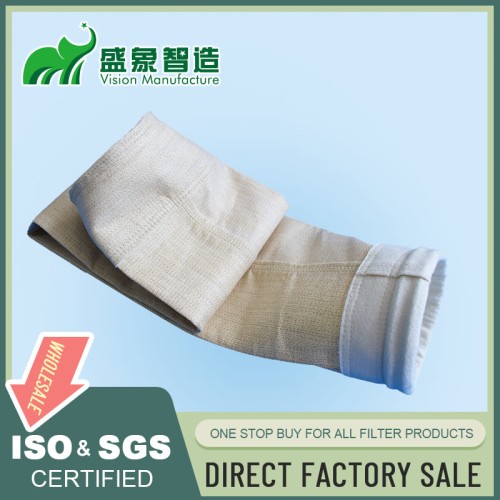

High-Temperature Aramid Filter Bags: Performance in Middle East Aluminum Smelting
High-Temperature Aramid Filter Bags: Performance in Middle East Aluminum Smelting
Introduction
Aluminum smelting operations in the Middle East face extreme conditions that demand reliable high-temperature filtration solutions. With potline exhaust gases reaching continuous temperatures of 180-250°C and occasional peaks higher, combined with abrasive alumina dust and fluoride compounds, standard filter media degrade rapidly. Aramid filter bags, based on meta-aramid fibers such as Nomex or equivalent materials, provide the thermal stability, chemical resistance, and mechanical durability required for these demanding applications. This article examines how high-temperature aramid filter bags perform in Middle East aluminum smelting plants, including key advantages, real operational results, and practical guidance for engineers and plant managers.
Key Properties of Aramid Filter Bags in High-Temperature Environments
Aramid filter bags deliver consistent performance where polyester or polypropylene would fail due to thermal breakdown. The following characteristics make them suitable for aluminum smelting:
- Continuous Temperature Resistance: Aramid bags maintain structural integrity up to 204°C continuous operation with short-term surges to 240°C, matching the exhaust conditions in electrolytic cells and anode baking furnaces.
- Flame and Spark Resistance: Inherent non-melt, self-extinguishing properties prevent ignition from carbon anode sparks or hot particulates, enhancing safety in smelter potrooms.
- Chemical Stability: Strong resistance to acidic fluorides, sulfur compounds, and alkaline dust common in primary aluminum production prevents hydrolysis or embrittlement over time.
- Abrasion Resistance: Robust fiber structure withstands the scouring action of alumina-rich dust at high velocities, extending bag life compared to weaker materials.
- Low Thermal Shrinkage: Minimal dimensional change under prolonged heat ensures consistent fit on cages and stable pressure drop throughout the service cycle.
- Efficient Dust Cake Formation: Surface characteristics promote even cake build-up and effective release during pulse cleaning, maintaining airflow and low differential pressure.
These properties align directly with the operational demands of Middle East smelters, where high ambient temperatures and dust loads accelerate wear on conventional bags.
Applications in Middle East Aluminum Smelting Plants
Primary aluminum production in the Gulf region, including large facilities in UAE, Bahrain, and Saudi Arabia, generates significant off-gas volumes from reduction pots and carbon bake furnaces. Aramid filter bags are commonly installed in reverse-air or pulse-jet baghouses handling these streams. The combination of high gas temperature, fine particulate, and corrosive gases requires media that avoids premature failure modes such as pinholes, blinding, or bag collapse. Regional factors like high humidity during certain seasons and dust ingress from desert environments further emphasize the need for durable, dimensionally stable bags.
Real-World Case Example
A large aluminum smelter in the United Arab Emirates operated pulse-jet baghouses on potline exhaust with standard fiberglass bags. Continuous exposure to 220°C gases and fluoride-laden alumina dust caused frequent bag failures after 9-12 months, with pinholes developing near cage supports and pressure drops rising sharply. This led to increased compressed air consumption, higher fan energy use, and unplanned outages for bag changes. The plant retrofitted one line with high-temperature aramid filter bags rated for 204°C continuous duty. Post-installation monitoring showed bag life extended to 28-32 months, differential pressure stabilized 25-35 percent lower than before, and pulse frequency reduced by nearly 40 percent. Annual savings included approximately $110,000 in replacement bags, labor, and energy, plus improved emission consistency below local regulatory limits of 20 mg/Nm³.
Recent Industry Context
The global industrial dust collector market continues growing at 4.8-5.4 percent CAGR through 2030 according to 2025 industry reports, with aluminum production in the Middle East driving demand for advanced high-temperature media. Stricter emission standards for particulate and fluorides, combined with energy efficiency goals in the region, favor long-life aramid bags that reduce maintenance frequency and compressed air usage. Recent trends also highlight increased adoption of treated aramid fabrics to further enhance dust release in abrasive conditions.
Practical Recommendations
When implementing aramid filter bags in aluminum smelting:
- Verify operating parameters: Confirm gas temperature, humidity, and chemical composition to select the appropriate aramid grade and any protective finishes.
- Cage compatibility: Use cages with proper ring spacing and corrosion-resistant coatings to prevent mechanical damage to the bag fabric.
- Cleaning system settings: Optimize pulse pressure (typically 5-7 bar) and interval to balance cleaning effectiveness with bag stress.
- Monitoring: Track differential pressure trends and schedule inspections at 6-12 month intervals to detect early wear.
- For distributors: Stock common sizes (e.g., 127 mm diameter, 3-6 m length) with quick delivery options to support regional smelters during planned outages.
High-temperature aramid filter bags offer proven reliability in Middle East aluminum smelting, delivering extended service life, stable performance, and cost savings under extreme conditions. Contact airfiltercartridge.com for site-specific recommendations or product specifications.