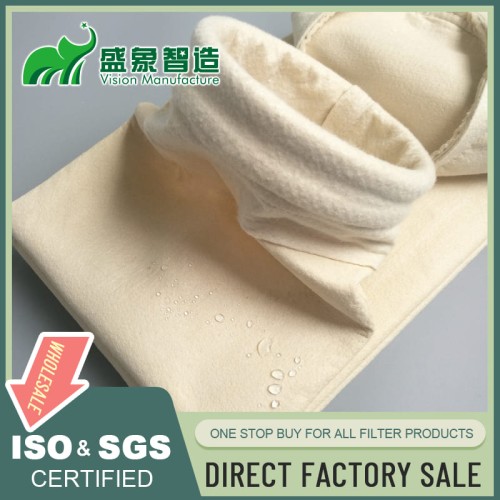

Corrosion-Resistant PPS Filter Media: Applications in Waste Incineration Plants with Acidic Gases
Corrosion-Resistant PPS Filter Media: Applications in Waste Incineration Plants with Acidic Gases
Introduction
Waste incineration plants process municipal solid waste, industrial refuse, and hazardous materials, producing flue gases laden with acidic compounds such as sulfur dioxide, hydrogen chloride, and hydrogen fluoride. These gases, combined with temperatures often ranging from 140 to 200°C and fine fly ash particulates, create highly corrosive conditions that rapidly degrade standard filter media. PPS filter bags, made from polyphenylene sulfide (also known as Ryton or Procon), provide exceptional chemical resistance and thermal stability, making them a preferred choice for baghouses in these demanding applications. This article examines the performance of corrosion-resistant PPS filter media in waste incineration, including key advantages, real operational results, and practical guidance for plant engineers and operators.
Key Properties of PPS Filter Media in Acidic Flue Gas Environments
PPS media excels where other materials suffer from hydrolysis or chemical attack. The primary characteristics include:
- Superior Acid Resistance: PPS withstands strong acids including HCl, H2SO4, and HF across a wide pH range, preventing hydrolysis common in polyester or acrylic media.
- High Temperature Tolerance: Continuous operation up to 190°C with short peaks to 220°C, suitable for most incinerator baghouse inlet conditions after initial cooling.
- Excellent Hydrolysis Resistance: Maintains integrity in moist, acidic gas streams where nylon or aramid would degrade quickly.
- Good Oxidation Resistance: Handles oxygen levels in flue gas without significant fiber weakening when properly managed.
- Abrasion and Thermal Stability: Robust structure resists fly ash scouring and dimensional changes under heat cycles.
- Efficient Filtration Performance: Promotes good cake formation and release during pulse or reverse-air cleaning, sustaining low pressure drop over time.
These properties make PPS the ideal material for dust collector filter bags in waste incineration environments with aggressive gas chemistries.
Applications in Waste Incineration Plants
Modern incineration facilities, including waste-to-energy plants in emerging markets and industrial regions, rely on baghouses to capture fly ash and control acid gas emissions. PPS filter bags are widely used in pulse-jet or reverse-air systems downstream of semi-dry scrubbers or where gas temperatures remain elevated. The media performs reliably in handling fine particulates combined with corrosive condensates, supporting compliance with strict particulate and acid gas emission standards while reducing maintenance frequency.
Real-World Case Example
A municipal waste incineration plant operated a pulse-jet baghouse with standard polyester dust filter bags on flue gas from the combustion chamber. Acidic gases (HCl up to 1500 mg/Nm³, SO2, and trace HF) combined with moisture caused rapid hydrolysis and bag failures after 10-14 months, leading to frequent leaks, rising differential pressure, and increased maintenance. The facility switched to high-performance PPS filter bags with optional PTFE membrane lamination for enhanced dust release. Post-upgrade, bag life extended to 36-42 months, differential pressure remained stable 30-40 percent lower than previous levels, and pulse cleaning frequency dropped significantly. Emission compliance improved consistently below 10 mg/Nm³ for particulates, with annual savings estimated at $95,000 from reduced bag replacements, labor, and energy consumption.
Recent Industry Context
The global industrial dust collector market grows at 4.8 to 5.4 percent CAGR through 2030 according to 2025 reports, with waste incineration driving demand for corrosion-resistant media in regions expanding waste-to-energy capacity. Stricter emission regulations for dioxins, particulates, and acid gases continue to push adoption of durable materials like PPS, often combined with membrane coatings, to achieve long-term reliability and lower total cost of ownership in dust filter bag applications.
Practical Recommendations
When selecting and installing PPS filter media:
- Analyze gas composition: Review HCl, SO2, HF, moisture, and temperature data to confirm PPS suitability or need for additional treatments.
- Choose appropriate finish: Consider PTFE membrane for sticky fly ash or singeing/calendering for basic dust release.
- Verify cage design: Use stainless steel or epoxy-coated filter bag cages to prevent galvanic corrosion in acidic conditions.
- Adjust cleaning parameters: Set pulse pressure and frequency to minimize mechanical stress while maintaining low delta-P.
- Monitor regularly: Track pressure trends and conduct bag inspections every 12 months to detect early wear.
- For distributors: Stock common PPS bag sizes with quick lead times to support scheduled maintenance in incineration facilities.
Corrosion-resistant PPS filter media delivers long -term reliability and cost efficiency in waste incineration plants exposed to acidic gases. Contact airfiltercartridge.com for gas analysis support, media specifications, or application-specific recommendations.