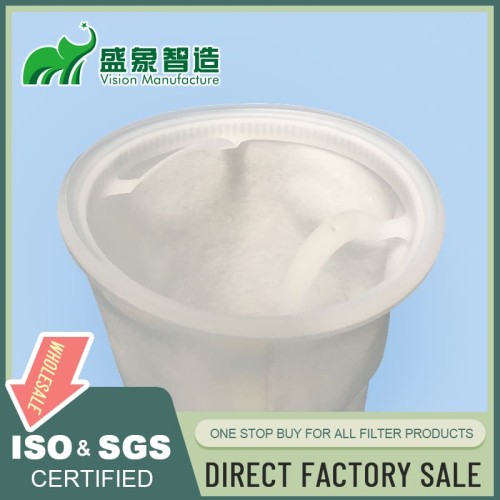

Polypropylene Filter Media: Versatile Solution for Industrial Filtration
Introduction
Plant engineers and filtration specialists in chemical processing, food & beverage, mining, pharmaceuticals, and wastewater treatment frequently need media that resists acids, alkalis, moisture, and organic contaminants while maintaining high flow rates, low pressure drop, and regulatory compliance. Standard materials like polyester or nylon can degrade or blind quickly in corrosive or wet conditions. Polypropylene filter media stands out as a versatile, cost-effective solution, offering excellent chemical resistance, hydrophobicity, and durability across a wide range of industrial applications. This article explores the properties, benefits, applications, types, selection criteria, maintenance best practices, and recent innovations in polypropylene filter media, helping operators achieve reliable filtration and operational efficiency.
Polypropylene Filter Media: Chemical Resistance & Versatility
Polypropylene is a thermoplastic polymer widely used in needle-punched felts, woven fabrics, and pleated cartridges for its non-hygroscopic nature and resistance to most acids, alkalis, and organic solvents. It performs reliably from pH 1–14 and temperatures up to 90–100°C continuous, making it ideal for wet, corrosive, or oily processes where other media fail. Polypropylene filter media delivers consistent particle capture, low differential pressure, and long service life in demanding environments.
Key Properties of Polypropylene Filter Media
Polypropylene offers targeted advantages for industrial filtration:
- Excellent Chemical Resistance: Inert to most acids, bases, and solvents, preventing degradation or swelling (EPA-compliant in many chemical applications).
- Hydrophobicity: Repels water, reducing blinding in moist or oily streams and promoting easy cake release.
- Low Moisture Absorption: Maintains performance in high-humidity or wet processes without loss of strength.
- Good Mechanical Strength: High tensile and tear resistance for abrasive dust or high-velocity flows.
- Cost-Effectiveness: Lower material cost than PTFE or PPS, with comparable performance in moderate conditions.
- Filtration Efficiency: Achieves high capture rates (MERV 10–14 typical) for fine to medium particles.
In corrosive or wet applications, these properties often deliver 1.5–2.5× longer life than standard polyester.
Real-World Applications of Polypropylene Filter Media
Polypropylene filter media performs reliably across industries:
**Chemical Processing** A specialty chemical plant handling acidic slurries used polypropylene needle-punched felt bags in filter presses. The media resisted pH extremes and prevented blinding from sticky residues. Bag life extended from 8–10 months to 20–24 months, differential pressure remained stable, and emissions stayed below regulatory limits, reducing maintenance costs. **Food & Beverage** A beverage bottling facility used polypropylene media for syrup and juice filtration. The hydrophobic properties prevented moisture-induced clogging. No quality issues in 18 months, with media life averaging 15–18 months and minimal cleaning cycles, supporting FDA and HACCP compliance. **Mining & Mineral Processing** A mining operation in an emerging market used polypropylene bags for wet ore slurry filtration. The media resisted abrasion and chemicals, reducing downtime. Bag life reached 22 months, and operational efficiency improved significantly. **Pharmaceuticals** A pharma API processing plant used polypropylene cartridges for solvent filtration. The media ensured no contamination and consistent flow. No incidents in 24 months, supporting GMP compliance.
Types of Polypropylene Filter Media
Common types include:
- Needle-Punched Polypropylene Felt: High-efficiency for fine dust in wet/dry applications.
- Woven Polypropylene Fabric: Consistent pore size for liquid filtration.
- Pleated Polypropylene Cartridges: Increased surface area for high flow and low pressure drop.
- Custom Polypropylene Media: Tailored for specific pH, temperature, or particle size needs.
Selecting the Right Polypropylene Filter Media
Choose based on:
- Chemical Compatibility: Confirm resistance to acids, bases, solvents in your process.
- Temperature & Moisture: Ensure suitability for operating conditions.
- Particle Size & Flow Rate: Match micron rating and permeability to system needs.
- System Type: Pulse-jet, filter press, or cartridge collector compatibility.
Maintenance Tips for Polypropylene Filter Media
Proper care maximizes performance:
- Regular Inspections: Check monthly for wear, blinding, or damage.
- Cleaning: Use pulse-jet, backwashing, or chemical cleaning (compatible solvents).
- Replacement: Change at pressure rise or visible wear to maintain efficiency.
Innovations in Polypropylene Filter Media
Recent advances include:
- Enhanced Coatings: Improve release and extend life in sticky applications.
- Smart Monitoring: Sensors predict maintenance, reducing downtime.
- Eco-Friendly Variants: Recyclable or biodegradable polypropylene options.
- Hybrid Designs: Combine with nanofiber for ultra-fine capture.
Conclusion
Polypropylene filter media offers versatile, reliable filtration in corrosive, wet, or oily industrial processes. By understanding its properties, applications, and maintenance, you can achieve cleaner outputs, compliance, and cost savings. For polypropylene filter media solutions or site assessments, contact Vision Filter specialists today.
About the Author
Written by: Industrial Filtration Application Engineer
10+ years supporting dust collection upgrades in cement, steel, mining, incineration, and aluminum smelting plants across the Middle East, Africa, Indonesia, Vietnam, and Russia.