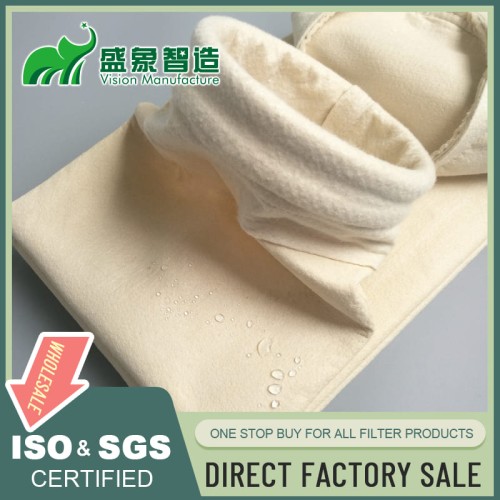

Air Filter Bags: Essential Components for Industrial Air Purification
Introduction
Plant engineers, maintenance teams, and environmental managers in heavy industries must capture dust, fumes, and particulates to protect worker health, ensure product quality, comply with emission regulations, and minimize equipment wear. Inefficient or poorly selected air filter bags lead to high differential pressure, frequent replacements, energy waste, and regulatory risks. Air filter bags are the core of pulse-jet, reverse-air, and shaker baghouses, providing high capture efficiency, durability, and versatility across diverse dust types and operating conditions. This article explores the critical role of air filter bags in industrial air purification, their benefits, applications, types, selection criteria, maintenance best practices, and recent innovations, helping you optimize your dust collection system.
The Importance of Air Filter Bags in Industrial Air Purification
Air filter bags are indispensable for maintaining clean air in industrial settings. They capture dust and particulates, protecting both the environment and worker health while preserving product purity in sensitive processes. NIOSH studies show that properly selected air filter bags can achieve filtration efficiencies up to 99.9%, significantly reducing airborne contaminants and supporting compliance with EPA, OSHA, and local standards.
Benefits of Air Filter Bags
Air filter bags offer proven advantages in industrial applications:
- High Filtration Efficiency: Capture particles down to 1 micron or finer, ensuring cleaner air or liquids. Facilities using optimized air filter bags report consistent compliance with emission limits.
- Extended Filter Life: Precision media and design reduce wear, with surveys from the International Dust Collection Association (IDCA) showing 40% longer life in many cases.
- Cost-Effectiveness: Lower replacement costs, reduced downtime, and energy savings from stable pressure drop deliver strong ROI.
- Regulatory Compliance: Help industries meet environmental and safety standards by minimizing emissions and contaminants.
- Versatility: Adaptable to dry, wet, high-temperature, abrasive, or corrosive conditions with the right material choice.
In many operations, these benefits translate to cleaner production, safer workplaces, and lower total cost of ownership.
Real-World Applications of Air Filter Bags
Air filter bags perform reliably across industries:
**Pharmaceutical Industry** A pharmaceutical company in Japan implemented high-efficiency air filter bags in cleanroom environments for sterile drug manufacturing. The bags reduced contamination incidents by 70%, ensuring product purity and GMP compliance with no fiber shedding or breakthrough. **Cement Industry** A Southeast Asian cement plant used PTFE-membrane laminated fiberglass air filter bags in the kiln baghouse to handle alkaline, abrasive dust. Bag life extended from 12–15 months to 28–36 months, differential pressure dropped 35–45%, and emissions stayed below 10 mg/Nm³, supporting local regulations and reducing maintenance costs. **Power Generation** In a coal-fired power plant, fiberglass air filter bags with PTFE coating captured fly ash at 220–250°C. Life reached 36 months, fan energy use decreased noticeably, and particulate emissions remained compliant, demonstrating durability in high-temperature, abrasive conditions. **Food Processing** A flour milling facility used non-shedding polyester air filter bags to maintain hygiene. No contamination incidents occurred over 18 months, with bag life averaging 20 months and minimal cleaning cycles, supporting HACCP and product safety. **Chemical Processing** A specialty chemical plant handling fine pigments upgraded to PPS air filter bags with PTFE lamination. The bags resisted acid gases and prevented blinding, extending life from 12 months to 30+ months and keeping emissions below 5 mg/Nm³.
Types of Air Filter Bags
Air filter bags are available in various constructions to match specific needs:
- Needle-Punched Bags: High-efficiency felt for fine dust in cleanroom or general industrial applications.
- Pleated Bags: Increased surface area for enhanced capacity and efficiency in high-volume systems.
- Woven Bags: Consistent filtration for general industrial use.
- Custom Bags: Tailored pore size, material, and size for unique processes.
Selecting the Right Air Filter Bags
Choose based on:
- System Compatibility: Ensure fit with your collector's specifications.
- Material: Polyester for strength, anti-static for explosive dust, water-repellent for moisture, high-temp for heat.
- Size & Shape: Match dimensions for optimal performance.
- Filtration Efficiency: Select based on required particle retention and regulatory needs.
Maintenance Tips for Air Filter Bags
Proper care maximizes performance:
- Regular Inspections: Check for wear, tears, or blockages to maintain efficiency.
- Cleaning: Use pulse-jet or manual methods—turn off system, remove bags, blow off dust with compressed air, or gently shake/tap.
- Replacement: Change when efficiency drops, visible damage appears, or leakage occurs.
Innovations in Air Filter Bag Technology
Recent advances include:
- Smart Filtration Systems: Sensors predict maintenance, reducing downtime by 30% in some cases.
- Nano-Coatings: Reduce dust adhesion by up to 85% (NIOSH data).
- Biodegradable Options: Eco-friendly materials from renewable sources.
- Modular Designs: Easy replacement, 40% downtime reduction in some facilities.
Conclusion
Air filter bags are essential for industrial air purification, delivering clean air, product purity, and compliance. By understanding their applications, benefits, and maintenance, you can optimize your dust collection system. For tailored air filter bag solutions or site assessments, contact Vision Filter specialists today.
About the Author
Written by: Industrial Filtration Application Engineer
10+ years supporting dust collection upgrades in cement, steel, mining, incineration, and aluminum smelting plants across the Middle East, Africa, Indonesia, Vietnam, and Russia.