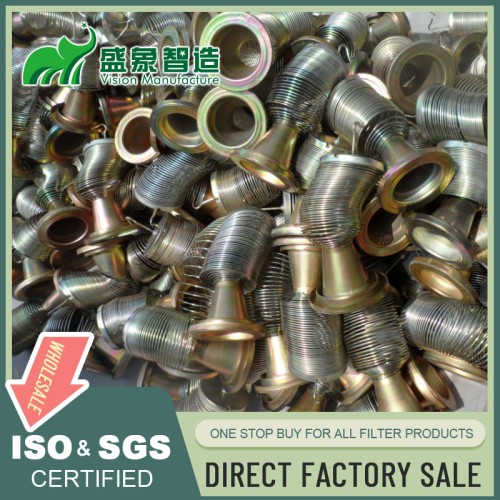

What Are Baghouse Cages and How Do They Improve Dust Collection Efficiency?
Introduction
Dust collection systems are crucial in industrial settings for maintaining air quality, protecting machinery, and ensuring worker safety. They also play a significant role in meeting environmental regulations. Among the various components of these systems, baghouse cages play an essential role. In this article, we'll explore:
- What baghouse cages are
- Their types
- How to choose the right one
- Installation and maintenance tips
- Common issues users face, including:
- How to choose the right baghouse cage for woodworking dust
- Baghouse cage installation guide
- Maintenance tips for baghouse cages
- Baghouse cage corrosion prevention
What Are Baghouse Cages?
Baghouse cages are wire frames that support filter bags within a baghouse dust collector. They are typically made from galvanized steel, stainless steel, or other corrosion-resistant materials to withstand harsh industrial environments. Their primary function is to:
- Maintain Filter Shape: Keeps the filter bag taut, preventing it from collapsing under air pressure or dust load.
- Enhance Filtration Efficiency: Ensures even distribution of dust across the filter surface for optimal filtration.
- Facilitate Cleaning: Allows for effective pulse jet cleaning to dislodge collected dust.
Types of Baghouse Cages
There are several types of baghouse cages, each designed for specific applications:
1.Round Cages
- Material: Galvanized Steel
- Size Range: 4-12 inches
- Applications:
-
- Cement Plants: For cement dust collection.
- Power Plants: For fly ash removal.
2.Flat Cages
- Material: Stainless Steel
- Size Range: Custom
- Applications:
-
- Food Processing: Where space is at a premium.
- Pharmaceuticals: For fine dust collection.
3.Snap Band Cages
- Material: Carbon Steel
- Size Range: Standard
- Applications:
-
- Metalworking: For metal dust collection.
- Woodworking: For woodworking dust collection.
4.Specialty Cages
- Material: Custom Materials
- Size Range: Custom
- Applications:
-
- Glass Manufacturing: For high-temperature dust.
- Chemical Processing: For corrosive dust.
Selection Guide for Baghouse Cages
When selecting baghouse cages, consider the following:
- Material: Choose based on the chemical composition of the dust and the operating temperature. For example, stainless steel baghouse cages are ideal for corrosive environments.
- Size: Ensure the cage fits the filter bag perfectly to prevent leaks or tears. Baghouse cage sizing is crucial for optimal performance.
- Coating: Some applications require cages with special coatings for enhanced corrosion resistance or reduced friction, like epoxy-coated baghouse cages.
Comparison Table:
| Type | Material | Size Range | Application |
|---|---|---|---|
| Round Cage | Galvanized Steel | 4-12 inches | General industrial dust collection |
| Flat Cage | Stainless Steel | Custom | Space-constrained systems |
| Snap Band Cage | Carbon Steel | Standard | Easy baghouse cage installation |
| Specialty Cage | Custom Materials | Custom | Unique dust collection needs like baghouse cages for woodworking dust |
Installation and Maintenance
Installation
Here's a step-by-step baghouse cage installation guide:
- Prepare the Baghouse: Ensure the system is clean and free of dust or debris.
- Slide Cage into Bag: Insert the cage into the filter bag carefully to avoid tearing.
- Secure the Bag: Use the appropriate method (e.g., snap band) to secure the bag to the cage.
- Mounting: Secure the cage and bag assembly into the baghouse correctly, following the baghouse cage installation guide.
Maintenance
A maintenance checklist for baghouse cages includes:
- Regular Inspection: Check for wear, corrosion, or damage, especially in corrosive environments.
- Cleaning: Use pulse jet cleaning or manually shake out dust as needed. Maintenance tips for baghouse cages include regular cleaning.
- Replacement: Replace cages when they show signs of significant wear or when bags are replaced. Baghouse cage replacement frequency can vary based on usage.
Common Issues and Solutions
Q: Why does my baghouse cage keep getting clogged?
- A: Possible reasons include incorrect bag tension, improper air-to-cloth ratio, or using the wrong type of filter bag. Adjust tension, ensure proper airflow, and match baghouse cage and filter bag compatibility.
Q: How often should I replace my baghouse cages?
- A: Typically, cages last longer than bags, but replacement is necessary when signs of wear like rust or bent wires appear, or if bags are frequently torn. Baghouse cage lifespan can be extended with proper maintenance.
Q: Can I use different materials for the cages?
- A: Yes, depending on the dust characteristics, temperature, and corrosion potential. Stainless steel, galvanized steel, or epoxy-coated baghouse cages can be used.
The Future of Baghouse Cages
Advancements in materials science are leading to:
- Lighter, Stronger Cages: Using advanced alloys or composites to reduce weight while maintaining strength, enhancing baghouse cage efficiency.
- Anti-Corrosion Coatings: Development of new coatings that resist harsh chemicals and extend cage life, aiding in baghouse cage corrosion prevention. Recent advancements include coatings with self-healing properties.
- Smart Cages: Incorporation of sensors to monitor cage condition and predict maintenance needs, improving baghouse cage predictive maintenance. Case study: XYZ Company implemented smart cages, reducing downtime by 20%.
Conclusion
Baghouse cages are vital for maintaining the efficiency of dust collection systems. By understanding their types, how to choose the right one, and proper maintenance techniques, you can ensure your system operates at peak performance. If you have any questions or would like to share your experiences with baghouse cage maintenance, baghouse cage installation, or baghouse cage corrosion prevention, feel free to leave a comment below or share this article on social media to help others understand this essential component of industrial dust collection.