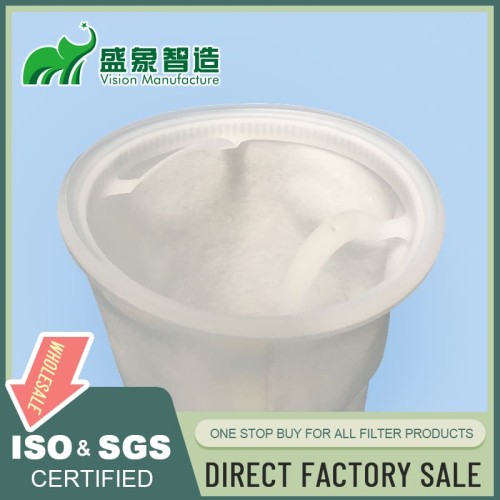

180 Micron Filter Bag: Effective Filtration for Industrial Processes
Introduction
Process engineers and maintenance teams in water treatment, food & beverage, chemicals, pharmaceuticals, and automotive manufacturing frequently need to remove medium-sized particulates (180 microns and larger) from liquids or gases without excessive pressure drop, while ensuring product purity, equipment protection, and regulatory compliance. Standard coarse filters may allow breakthrough, while finer media clog quickly and raise energy costs. The 180 micron filter bag strikes an optimal balance: it captures coarse contaminants effectively, allows high flow rates, and minimizes blinding in many applications. This article explores the properties, benefits, applications, selection criteria, maintenance best practices, and recent innovations in 180 micron filter bags, helping industrial operators optimize filtration performance and achieve cleaner, more efficient operations.
180 Micron Filter Bag: Precision Capture for Medium Particles
The 180 micron filter bag is a rated filtration media designed to retain particles ≥180 micrometers (0.18 mm) with high efficiency. It uses woven or felted construction to create a precise pore size, enabling surface or depth filtration depending on the material. In many systems, 180 micron bags achieve 90–99% retention on targeted particles while supporting high throughput and low pressure drop. This makes them a versatile choice for pre-filtration or primary coarse removal in industrial processes where finer downstream stages handle sub-micron contaminants.
Key Properties of 180 Micron Filter Bags
These bags offer targeted advantages for medium-particle filtration:
- Precise Particle Retention: Rated at 180 microns, they effectively capture coarse dust, debris, sediments, and aggregates without over-restricting flow.
- High Flow Rates & Low Pressure Drop: Larger pore size allows higher throughput and reduced energy use compared to finer bags.
- Durable Construction: Materials like nylon, polyester, or polypropylene provide mechanical strength and resistance to abrasion or chemicals.
- Easy Cake Release: Surface filtration promotes effective cleaning, extending bag life and reducing maintenance.
- Versatility: Suitable for liquid (water, chemicals, food liquids) and dry (air/gases) applications in diverse industries.
- Cost-Effectiveness: Lower replacement frequency than ultra-fine media in coarse applications, with EPA-compliant performance in many cases.
In medium-particle processes, these properties often deliver cleaner outputs, lower OPEX, and reliable operation.
Benefits and Applications of 180 Micron Filter Bags
180 micron filter bags are widely applied where coarse removal is needed before finer stages:
**Water Treatment** A municipal water treatment plant in the USA used 180 micron nylon filter bags in pre-filtration stages for river water intake. The bags captured large sediments, algae, and debris, protecting downstream sand filters and membranes. Results: 95% reduction in coarse particulates, extended downstream media life by 40%, and consistent compliance with EPA turbidity standards. **Food & Beverage** A beverage bottling facility used 180 micron polyester bags to filter syrups and juices. The bags removed pulp and coarse impurities without excessive pressure drop. No quality issues in 18 months, with bag life averaging 12–15 months and minimal cleaning cycles, supporting food safety regulations. **Chemical Processing** A chemical plant handling viscous liquids used 180 micron polypropylene bags in transfer lines. The bags captured catalyst residues and aggregates. Bag life reached 20 months, differential pressure remained stable, and product purity improved, reducing rework costs. **Pharmaceuticals** A pharma API processing plant used 180 micron nylon bags for solvent filtration. The bags ensured coarse contaminant removal without fiber shedding. No contamination incidents, supporting GMP compliance. **Automotive & Metalworking** An automotive paint shop used 180 micron bags in coolant filtration. The bags captured metal fines and debris. Reduced filter changes and improved coolant clarity, lowering equipment wear.
Types of 180 Micron Filter Bags
Common types include:
- Woven Nylon Bags: High strength for liquids, excellent chemical resistance.
- Polyester Felt Bags: Good for dry dust, cost-effective.
- Polypropylene Bags: Corrosion-resistant for chemicals and acids.
- Custom Bags: Tailored for specific flow rates or media compatibility.
Selecting the Right 180 Micron Filter Bag
Choose based on:
- Application Type: Liquid vs. gas, temperature, chemical compatibility.
- Material: Nylon for strength, polyester for cost, polypropylene for corrosion.
- Size & Flow Rate: Match to system requirements to prevent leaks or restrictions.
- Efficiency Needs: Confirm 180 micron rating meets process specs.
Maintenance Tips for 180 Micron Filter Bags
Proper care maximizes performance:
- Regular Inspections: Check for wear, tears, or blockages.
- Cleaning: Use pulse-jet, backwashing, or manual methods to dislodge cake.
- Replacement: Change when pressure drop rises significantly or visible damage appears.
Innovations in 180 Micron Filter Bag Technology
Recent advances include:
- Smart Monitoring: Sensors predict replacement needs, reducing downtime.
- Enhanced Coatings: Improve release and extend life in sticky applications.
- Eco-Friendly Materials: Biodegradable options for sustainable processes.
- Modular Designs: Easy replacement and customization.
Conclusion
180 micron filter bags provide effective, precise filtration for industrial processes, balancing capture, flow, and cost. By understanding their applications, benefits, and maintenance, you can optimize your system. For tailored 180 micron filter bag solutions or site assessments, contact Vision Filter specialists today.
About the Author
Written by: Industrial Filtration Application Engineer
10+ years supporting dust collection upgrades in cement, steel, mining, incineration, and aluminum smelting plants across the Middle East, Africa, Indonesia, Vietnam, and Russia.