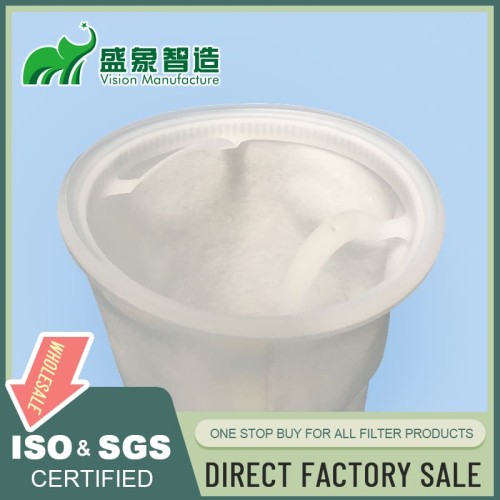

200 Micron Mesh Precision Filtration: Enhancing Industrial Applications
200 Micron Mesh Precision Filtration: Enhancing Industrial Applications
Introduction
In industrial filtration, 200 micron mesh filters play a vital role in capturing fine particulate matter, ensuring product purity, and maintaining high efficiency. These filters are designed to meet stringent environmental standards and are essential in various industries. This article explores:
1. What is 200 micron mesh filtration?
2. Advantages and applications across industries
3. Innovations and advancements in 200 micron filtration
4. Guide to choosing and maintaining 200 micron mesh filters
5. Environmental impact and sustainability
1. What is 200 Micron Mesh Filtration?
200 micron mesh filtration refers to filters with openings of 200 micrometers, designed to capture particles down to this size. Here’s why they are important:
A. Particle Capture: They effectively capture fine dust, debris, and contaminants that larger filters might miss.
B. Surface Filtration: These filters use surface filtration, which allows for easy cleaning and extends filter life.
2. Advantages and Applications Across Industries
Food and Beverage Industry
A. Food-grade Filter Bags: 200 micron mesh filters are often made from food-grade materials, ensuring product purity and safety.
B. Removing Fine Particles: Used to remove fine particles from liquids like wine, beer, or edible oils.
Pharmaceutical Manufacturing
A. Sterile Filtration: These filters help maintain sterile conditions by capturing fine contaminants in the air and during liquid filtration processes.
Automotive and Metalworking
A. Fine Dust Collection: Ideal for capturing fine dust generated during grinding, cutting, or polishing operations.
Water Treatment
A. Pre-filtration: Used in pre-filtration stages to remove larger particulates before further treatment.
3. Innovations and Advancements
A. Smart Filtration: Integration of sensors to monitor filter performance, predicting maintenance needs.
B. Advanced Materials: New materials or coatings enhance filtration performance, durability, and corrosion resistance.
C. Customization: Filters are now designed for specific industrial needs, allowing for easy replacement and customization.
4. Guide to Choosing and Maintaining 200 Micron Mesh Filters
1. Choosing the Right Filter:
A. Material: Select based on the chemical composition of the substance being filtered. For example, stainless steel mesh filters for corrosive environments.
B. Flow Rate: Ensure the filter can handle the required flow rate without clogging.
C. Application: Consider the specific application, like 200 micron mesh filters for food processing or water treatment.
2. Maintenance:
A. Regular Inspection: Check for wear, damage, or blockages to maintain optimal filtration efficiency.
B. Cleaning: Use pulse jet cleaning or manual shaking to dislodge captured dust. Cleaning methods can vary based on the application.
C. Replacement: Replace filters when they show signs of significant wear or when filtration efficiency drops.
5. Environmental Impact and Sustainability
- Reduced Waste: By extending the life of filters through proper maintenance, waste is minimized.
- Energy Efficiency: Improved filter designs reduce energy consumption in filtration systems.
- Compliance: Helps industries meet environmental regulations by reducing emissions of fine particulate matter.
Conclusion
200 micron mesh filters are essential for industries seeking precision filtration, product purity, and compliance with environmental standards. By understanding their advantages, applications, and maintenance, you can leverage these filters to improve your industrial processes. If you have any questions or would like to share your experiences with 200 micron mesh filters, feel free to leave a comment below or share this article on social media to help others understand their importance in industrial filtration.