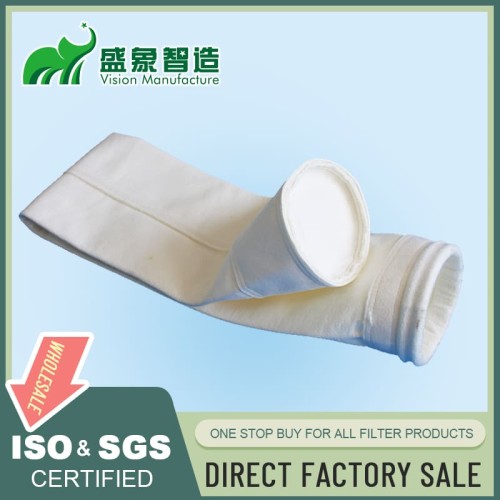

High Temperature Filter Bag: Durable Filtration Solution for Extreme Conditions
High Temperature Filter Bag: Durable Filtration Solution for Extreme Conditions
1. Introduction
High-temperature filtration poses unique challenges that demand specialized solutions. High-temperature filter bags are designed to withstand extreme conditions, playing a crucial role in maintaining operational efficiency and protecting equipment in various industrial processes. This article explores the challenges, types, and importance of high-temperature filter bags.
2. Materials Used in High Temperature Bags
High-temperature filter bags are made from materials designed to withstand severe conditions:
- Fiberglass: Known for its excellent heat resistance and durability, fiberglass can endure high temperatures. It is commonly used in industries where temperatures can reach up to 550°C. Fiberglass filter bags are ideal for applications requiring high heat tolerance and dimensional stability.
- PTFE (Polytetrafluoroethylene): PTFE offers exceptional chemical resistance and can operate in temperatures up to 500°F (260°C). This material is often used in environments where both high temperatures and corrosive substances are present, such as chemical processing plants.
- Aramid fibers (e.g., Nomex): These fibers provide excellent thermal stability and flame resistance for temperatures up to 400°F (204°C). Aramid fibers are commonly used in applications where thermal stability is crucial, such as in the automotive and aerospace industries.
- PPS (Polyphenylene sulfide): PPS features good chemical resistance and stability in temperatures up to 375°F (190°C). It is suitable for various industrial processes, including those involving harsh chemicals and high temperatures.
- Specialty blends and composites: These materials are engineered to provide enhanced performance characteristics for specific applications. By combining different fibers, manufacturers can create filter bags that offer superior durability, chemical resistance, and heat tolerance.
3. Temperature Ranges and Applications
High-temperature filter bags are used in various temperature ranges and applications:
- 200°F to 400°F (93°C to 204°C): Suitable for food and beverage processing and low-temperature chemical processes. For example, in the food industry, these filter bags can be used in drying and baking processes to ensure product quality and safety.
- 400°F to 600°F (204°C to 316°C): Common in metal processing and power generation. In metal processing, high-temperature filter bags help capture fine particulates and fumes generated during smelting and refining operations.
- 600°F to 800°F (316°C to 427°C): Used in cement production and some chemical processing. Cement plants use these filter bags to control emissions from kilns and clinker coolers, ensuring compliance with environmental regulations.
- Above 800°F (427°C): Ideal for applications like waste incineration and certain types of steel manufacturing. In waste incineration facilities, high-temperature filter bags handle aggressive chemicals and high temperatures, protecting equipment and reducing emissions.
4. Key Industries and Applications
High-temperature filter bags are essential in several industries:
- Cement and Lime Production: Filters withstand high temperatures from kilns and clinker coolers. These filter bags help capture dust and particulates, ensuring cleaner emissions and compliance with environmental standards.
- Steel and Metal Processing: Essential for capturing emissions during smelting and refining. High-temperature filter bags in this industry help maintain air quality and protect workers from harmful fumes.
- Power Generation Plants: Used in coal-fired facilities to manage flue gases. These filter bags help reduce emissions of pollutants such as sulfur dioxide and particulate matter, contributing to cleaner energy production.
- Waste Incineration Facilities: Handle high temperatures and aggressive chemicals from burning waste. High-temperature filter bags in these facilities ensure efficient filtration of toxic gases and particulates, protecting both the environment and human health.
- Chemical and Petrochemical Industries: Provide resistance to chemicals at high temperatures. These filter bags are crucial for controlling emissions and protecting equipment from corrosive gases in chemical processing plants.
- Glass Manufacturing: Filter fine particulates and gases at high temperatures. In glass manufacturing, high-temperature filter bags help capture fine dust and fumes, ensuring product quality and worker safety.
5. Design Features
High-temperature filter bags are designed with specific features to enhance performance:
- Fiber Composition and Treatment: Specific fibers are selected and treated to enhance their heat and chemical resistance. For example, PTFE coatings can be applied to improve chemical resistance and ease of cleaning.
- Bag Construction Techniques: Techniques such as multi-layering and pleating increase surface area and filtration efficiency. Multi-layered filter bags can capture a wider range of particle sizes, improving overall filtration performance.
- Seam Types and Strength: Specialized seam types ensure durability under stress. Double-stitched seams and reinforced edges help prevent leaks and extend the lifespan of the filter bags.
- Surface Treatments and Finishes: Treatments such as PTFE coating improve dust cake release and cleanability. These treatments reduce the frequency of cleaning cycles and enhance the overall efficiency of the filtration system.
6. Performance Characteristics
High-temperature filter bags are designed to offer:
- Temperature Tolerance Range: Bags are designed to perform within specific temperature ranges without degradation. This ensures consistent filtration performance even under extreme heat conditions.
- Chemical Resistance Properties: Materials are selected based on their ability to resist corrosive gases and chemicals. This is particularly important in industries such as chemical processing and waste incineration.
- Mechanical Strength and Durability: High-quality construction ensures longevity even under harsh conditions. Durable filter bags reduce the need for frequent replacements, lowering maintenance costs and downtime.
- Filtration Efficiency at High Temperatures: Maintains high efficiency despite the challenging environment. High-temperature filter bags are engineered to capture fine particulates and pollutants effectively, ensuring cleaner emissions.
7. Installation and Maintenance
Proper installation and maintenance are crucial for the performance of high-temperature filter bags:
- Proper Handling and Installation Techniques: Ensures optimal performance and prevents damage during setup. Following manufacturer guidelines for installation helps maximize the lifespan and efficiency of the filter bags.
- Break-in Procedures: Necessary steps to condition the bags before full-scale operation. Conditioning procedures help the filter bags adapt to the operating environment, reducing the risk of early failure.
- Cleaning Methods for High-Temp Bags: Techniques adapted to handle high temperatures without damaging the bags. Regular cleaning helps maintain filtration efficiency and prolongs the life of the filter bags.
- Inspection and Replacement Guidelines: Regular checks help predict and mitigate potential failures. Scheduled inspections and timely replacements ensure continuous operation and prevent unexpected downtime.
8. Advantages of High Temperature Bags
High-temperature filter bags offer several advantages:
- Extended Service Life in Extreme Conditions: Designed to last longer even under severe operational conditions. This reduces the frequency of replacements and lowers overall maintenance costs.
- Improved Emissions Control: Effectively captures particulates and pollutants, ensuring compliance with environmental regulations. High-temperature filter bags help industries meet stringent emission standards, contributing to cleaner air.
- Reduced Maintenance and Downtime: Durable materials and smart designs minimize the need for frequent replacements. This leads to more efficient operations and lower maintenance expenses.
- Consistent Performance at High Temperatures: Reliable operation ensures uninterrupted process efficiency. High-temperature filter bags maintain their filtration performance even in challenging environments, supporting continuous production.
9. Cost-Benefit Analysis
Investing in high-temperature filter bags offers several benefits:
- Initial Investment vs. Long-term Savings: Higher upfront costs are offset by the extended lifespan and reduced maintenance needs. Over time, the durability and efficiency of high-temperature filter bags result in significant cost savings.
- Performance Comparison with Standard Bags: Demonstrates superior endurance and efficiency under high temperatures. High-temperature filter bags outperform standard bags in demanding applications, providing better value for money.
- Energy Efficiency Considerations: Effective filtration improves system efficiency, potentially lowering
- Energy Efficiency Considerations: Effective filtration improves system efficiency, potentially lowering energy costs. By maintaining optimal airflow and reducing pressure drops, high-temperature filter bags contribute to energy savings.
10. Innovations and Future Trends
The field of high-temperature filtration is continuously evolving:
- Advanced Materials for Extreme Temperatures: Ongoing research into new materials that can withstand higher temperatures and more aggressive conditions. Innovations in material science are leading to the development of filter bags with enhanced performance characteristics.
- Smart Monitoring for High-Temp Filtration: Integration of sensors and IoT technology to monitor bag performance in real-time. Smart monitoring systems provide valuable data on filter bag condition, enabling predictive maintenance and reducing downtime.
- Hybrid Designs for Enhanced Performance: Combining different materials and technologies to create superior filter bags. Hybrid designs offer the benefits of multiple materials, resulting in filter bags that are more durable, efficient, and versatile.
11. Case Studies and Success Stories
Examples from industries such as power generation and chemical processing illustrate the significant benefits of using high-temperature filter bags, showcasing improvements in efficiency and compliance. For instance, a power plant that switched to high-temperature filter bags reported a 30% reduction in maintenance costs and a significant improvement in emission control.
12. Conclusion
High-temperature filter bags are indispensable in industries that operate under extreme conditions. With continuous advancements in material science and filtration technology, these bags are set to become even more efficient and essential in industrial applications. Investing in high-temperature filter bags not only ensures compliance with environmental regulations but also enhances operational efficiency and reduces maintenance costs.