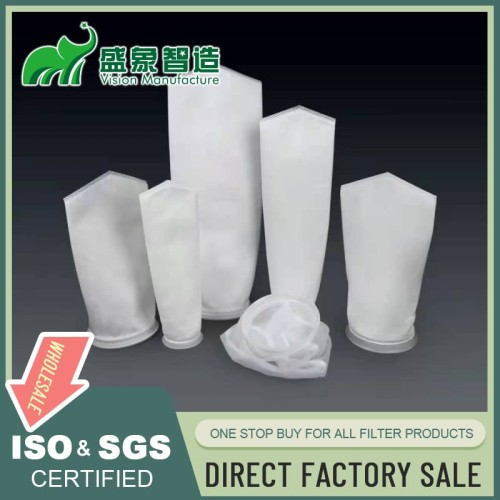

300 Micron Filters: Effective Coarse Filtration for Industrial Processes
Introduction
Process engineers and maintenance teams in water treatment, chemical processing, food & beverage, paint & coatings, and automotive manufacturing often need to remove large particulates (300 microns and larger) from fluids or gases to protect equipment, maintain product quality, and comply with environmental standards. Oversized contaminants cause blockages, damage, or contamination, leading to downtime, rework, and increased costs. 300 micron filters serve as an effective coarse filtration solution, capturing debris like sand, rust, and agglomerates while allowing high flow rates and low pressure drop. This article delves into the specifics of 300 micron filters, exploring their filtration mechanisms, applications, benefits, design considerations, integration, maintenance, case studies, and future trends to help industrial operators optimize their systems for efficiency and reliability.
300 Micron Filters: Effective Coarse Filtration for Industrial Processes
A 300 micron filter is designed to remove particles 300 microns or larger (about the size of fine sand grains) from fluids or gases. To contextualize, a human hair is 50–70 microns, so these filters target significantly larger contaminants. They employ surface or depth filtration, where particles are trapped on the media surface or within its layers, allowing clean flow through. In many systems, 300 micron filters achieve 90–95% efficiency on targeted particles, making them ideal as pre-filters before finer stages.
Filtration Mechanism of 300 Micron Filters
These filters use mechanical sieving and impaction to capture debris:
- Surface Filtration: Larger particles caught on the media exterior, forming a cake that aids further capture.
- Depth Filtration: Smaller particles trapped within media layers for higher holding capacity.
- Particle Size Comparison: Effectively removes coarse contaminants like sand (100–1000 microns), rust flakes, or debris, preventing damage downstream.
In coarse applications, this mechanism supports high flow and low ΔP, reducing energy use.
Key Benefits of 300 Micron Filters
300 micron filters deliver practical advantages:
- Equipment Protection: Prevent large particles from entering machinery, extending life and reducing maintenance (up to 30% less downtime in some facilities).
- Operational Efficiency: Maintain optimal flow rates and lower energy consumption by avoiding blockages.
- Product Purity: Remove visible contaminants, crucial for food, paint, and chemical quality (e.g., 98% reduction in agglomerates).
- Cost Savings: Extend finer filter life downstream, reducing overall replacement costs by 25–40%.
- Environmental Compliance: Help meet effluent standards by capturing particulates before discharge.
In multi-stage systems, these benefits enhance overall process reliability and sustainability.
Applications of 300 Micron Filters in Industries
300 micron filters are widely used as pre-filtration in:
- Water Treatment: Initial removal of large sediments before finer filters or membranes.
- Chemical Processing: Protecting pumps and reactors from debris in corrosive streams.
- Food & Beverage: Filtering out pulp, fibers, or contaminants in liquids like juices or syrups.
- Paint & Coatings: Removing overspray, agglomerates, and impurities for smooth finishes.
- Automotive: Coarse filtration in coolant, paint, and wastewater lines to prevent clogs.
Design and Material Considerations for 300 Micron Filters
Effective design involves:
- Chemical Compatibility: Polypropylene or nylon for general use, stainless steel for harsh chemicals.
- Temperature Resistance: Select materials that withstand process temperatures without degradation.
- Mechanical Strength: High-tensile media to handle pressure and flow without failure.
- Ease of Maintenance: Washable or disposable designs to minimize downtime.
Integration of 300 Micron Filters into Filtration Systems
300 micron filters often act as the first line in multi-stage setups:
- Pre-Filtration: Reduce load on finer filters, extending their life by 30–50%.
- Bypass Prevention: Ensure proper sealing to avoid unfiltered flow.
- Flow Rate Management: Match filter capacity to system flow for optimal performance.
Real-World Case Studies
Here are examples where 300 micron filters improved operations:
**Chemical Plant** A chemical plant installed 300 micron stainless steel filters in process lines. They reduced downtime by 40% from fewer blockages, protecting sensitive equipment and maintaining flow efficiency. **Water Treatment Facility** A U.S. water treatment facility used 300 micron nylon filters as pre-treatment. Efficiency of subsequent stages improved by 30%, conserving energy and resources while meeting EPA standards.
Maintenance and Performance Optimization
To maximize effectiveness:
- Regular Inspections: Monitor for wear or blockages to prevent failures.
- Cleaning or Replacement: Clean reusable filters or replace disposable ones when pressure drop rises.
- Flow and Pressure Monitoring: Use sensors for real-time alerts on performance issues.
- Compatibility Checks: Ensure all system components match for optimal operation.
Future Trends in Coarse Filtration
Emerging trends include:
- Smart Filtration Systems: IoT for real-time monitoring and predictive maintenance.
- Sustainable Materials: Eco-friendly, recyclable options with similar performance.
- Enhanced Design: Improved flow dynamics to reduce energy use by 20–30%.
Conclusion
300 micron filters are fundamental for effective coarse filtration in industrial processes, protecting equipment, improving efficiency, and ensuring compliance. Understanding their applications, benefits, and maintenance can optimize your system. For 300 micron filter solutions or site assessments, contact Vision Filter specialists today.
About the Author
Written by: Industrial Filtration Application Engineer
10+ years supporting dust collection upgrades in cement, steel, mining, incineration, and aluminum smelting plants across the Middle East, Africa, Indonesia, Vietnam, and Russia.