
Nylon Net Filter: Effective Solution for Precision Filtration
Introduction
Process engineers and filtration specialists in automotive, chemical, food & beverage, pharmaceutical, and water treatment industries often need to achieve precise particle removal without compromising flow rates, while ensuring product purity, equipment protection, and regulatory compliance. Standard filters may allow breakthrough or clog rapidly, leading to quality issues, system downtime, and increased OPEX. Nylon net filters provide high-precision filtration with consistent pore sizes, excellent chemical resistance, and durability across wet and dry applications. This article explores the importance, benefits, applications, types, selection criteria, maintenance best practices, and recent innovations in nylon net filters, helping industrial operators optimize their filtration systems for cleaner, more efficient processes.
Nylon Net Filter: High-Precision Filtration for Industrial Use
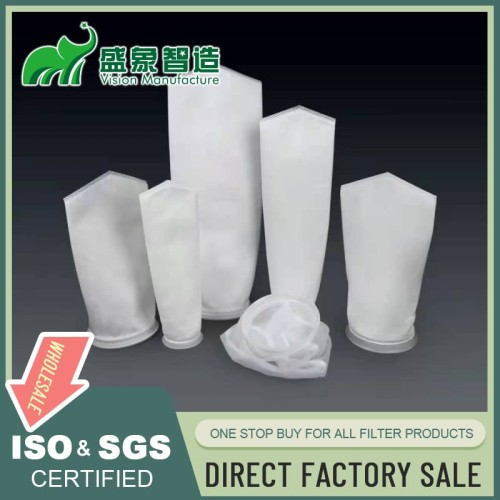
Nylon net filters are woven or mesh-based media designed to offer consistent pore sizes for accurate particle retention, making them suitable for a wide range of industrial applications. They achieve filtration efficiencies up to 99.9% on targeted sizes while supporting high flow rates and low pressure drop. In many systems, nylon net filters reduce contaminants by 90–95% or more, ensuring product quality and compliance with standards like FDA or EPA guidelines.
The Importance of Precision Filtration with Nylon Net Filters
Precision filtration is critical for maintaining product purity, process efficiency, and safety. Nylon net filters excel in this by:
- Enhanced Filtration Efficiency: Capture fine particles with high accuracy, ensuring removal of contaminants and maintaining end-product quality (e.g., up to 99.9% efficiency).
- Durability: Robust nylon construction withstands harsh environments, extending filter life and reducing replacement costs (reported 25% increase in lifespan).
- Compliance Support: Help meet environmental and safety standards by minimizing particle breakthrough.
In precision-critical operations, these properties deliver cleaner outputs, lower maintenance, and regulatory confidence.
Benefits and Applications of Nylon Net Filters
Nylon net filters are widely applied where precision and durability are essential:
**Automotive Industry** A leading car manufacturer implemented nylon net filters for cleanliness analysis of components. The filters improved component cleanliness by 30% and reduced maintenance costs by 20%, ensuring high-quality parts and compliance with automotive standards. **Chemical Processing** A chemical plant used hydrophilic nylon net filters for high-precision filtration of chemicals and solvents. The filters resisted harsh conditions, extending life by 40% and maintaining consistent flow without degradation. **Food and Beverage Industry** A beverage production facility employed nylon net filters to remove contaminants from products. The filters ensured purity, reducing spoilage risks and supporting FDA compliance with no quality incidents over 18 months. **Pharmaceutical Industry** A pharma company used nylon net filters in drug filtration. The filters provided sterile performance, achieving 99.9% efficiency and helping meet GMP standards. **Water Treatment** A water treatment plant applied nylon net filters to remove impurities. The filters improved water quality by 35%, extending system life and meeting safety standards.
Types of Nylon Net Filters
Common types include:
- Standard Nylon Net Filters: High efficiency and durability for general applications.
- Hydrophilic Nylon Net Filters: Superior chemical resistance for harsh environments.
- Custom Nylon Net Filters: Tailored to specific needs for optimal performance.
Selecting the Right Nylon Net Filter
Choose based on:
- 1. System Compatibility: Ensure the filter fits your system's specifications. 2. Material: Standard nylon for general use, hydrophilic for high chemical resistance. 3. Size and Shape: Select dimensions for optimal performance. 4. Durability: Consider required durability; hydrophilic filters offer higher in harsh environments.
Maintenance Tips for Nylon Net Filters
Proper care ensures longevity:
- Regular Inspections: Check for wear, damage, or blockages.
- Cleaning: Turn off system, remove filters, blow off dust with compressed air, gently shake if stubborn, inspect before reinstalling.
- Replacement: Replace filters with visible damage or reduced efficiency.
Innovations in Nylon Net Filter Technology
Recent advances include:
- Smart Filtration Systems: Sensors monitor performance, reducing maintenance downtime by 15%.
- Advanced Coatings: Enhance durability and cleaning, reducing dust adhesion by up to 70%.
- Biodegradable Filters: Made from renewable resources for lower environmental impact.
- Modular Designs: Allow easy replacement, reducing downtime by 25% in pharmaceutical plants.
Conclusion
Nylon net filters are essential for optimizing industrial filtration processes, ensuring clean products and compliance. Understanding their applications, benefits, and maintenance can improve your systems. For nylon net filter solutions or site assessments, contact Vision Filter specialists today.
About the Author
Written by: Industrial Filtration Application Engineer
10+ years supporting dust collection upgrades in cement, steel, mining, incineration, and aluminum smelting plants across the Middle East, Africa, Indonesia, Vietnam, and Russia.