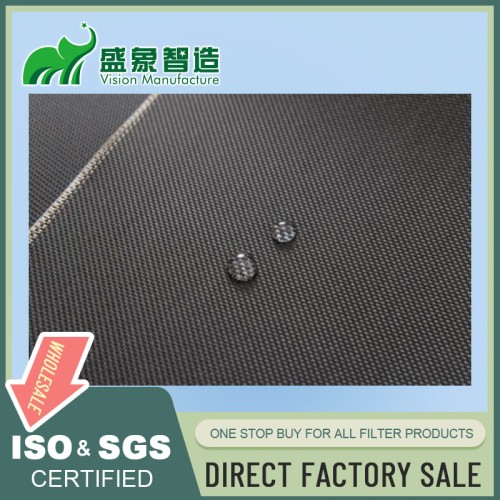
Fiberglass Felt: High-Performance Filtration Material for Extreme Conditions
Introduction
Plant engineers and maintenance managers in steel manufacturing, cement production, power generation, incineration, and metalworking often face extreme filtration challenges: flue gases exceeding 500°F, abrasive fly ash, corrosive acids, or high dust loads that rapidly degrade standard media. Fiberglass felt stands out as a high-performance solution, offering exceptional thermal stability, chemical resistance, and durability where polyester or aramid would fail. This article explores the role of fiberglass felt in extreme-condition filtration, its benefits and applications, types and characteristics, selection criteria, maintenance best practices, and recent innovations, helping industrial operators achieve reliable performance, compliance, and cost savings.
The Role of Fiberglass Felt in Extreme-Condition Filtration
Fiberglass felt is essential in high-temperature, corrosive, or abrasive environments where other materials degrade quickly. It captures fine dust, particulates, and fumes while withstanding continuous temperatures up to 500°F (260°C) and short surges higher. According to MarketsandMarkets 2025 reports, the high-temperature filtration market is projected to reach USD 2.3 billion by 2025, driven by industrialization, stricter regulations, and safety focus. Fiberglass felt plays a key role in meeting these demands.
Benefits of Fiberglass Felt in Harsh Environments
Fiberglass felt provides proven advantages:
- High-Temperature Resistance: Continuous operation at 500°F with minimal shrinkage or degradation.
- Chemical Resistance: Withstands acids, alkalis, and sulfur compounds common in coal combustion or chemical processes.
- Abrasion Tolerance: Robust fibers resist scouring from fly ash or metallic particulates.
- High Filtration Efficiency: Achieves 99.9% capture on targeted particles (NIOSH data in high-temp applications).
- Extended Filter Life: Facilities report 50% longer life vs. alternatives (International Dust Collection Association surveys).
- Compliance Support: Helps meet EPA, OSHA, and local emission standards with reduced particulate release.
In extreme conditions, these properties deliver cleaner air, lower maintenance, and regulatory confidence.
Real-World Applications of Fiberglass Felt
Fiberglass felt excels in demanding industries:
**Steel Manufacturing** A steel mill in China used fiberglass felt bags in baghouses to capture fine steel dust and particulates. The felt resisted high temperatures and abrasion, reducing dust emissions by over 90% and improving plant air quality. Bag life extended significantly, supporting continuous production. **Power Generation** A coal-fired power plant in India installed fiberglass felt bags for fly ash capture. The bags handled hot gases and abrasive particles, reducing emissions by 95% and meeting local air quality standards. Maintenance costs dropped, and compliance improved. **Cement Production** A cement plant in Brazil implemented fiberglass felt bags in kiln exhaust systems. The felt captured alkaline dust effectively, reducing emissions by 92% and ensuring product purity. Downtime decreased, and regulatory compliance was maintained. **Incinerators & Waste-to-Energy** A waste-to-energy plant in Germany used fiberglass felt bags to capture particulates from combustion. Emissions dropped by 97%, supporting strict environmental regulations and reliable operation.
Types of Fiberglass Felt
Common types include:
- Plain Fiberglass Felt: Uniform structure for general high-temperature filtration.
- Needle-Punched Fiberglass Felt: High-efficiency for fine dust capture in critical applications.
- Membrane-Supported Fiberglass Felt: Increased surface area for enhanced performance.
- Custom Fiberglass Felt: Tailored for specific temperature, chemical, or dust challenges.
Selecting the Right Fiberglass Felt
Choose based on:
- Filter Bag Compatibility: Match to your dust collector's specs.
- Material: E-Glass for strength/flexibility, S-Glass for higher heat, anti-static for explosive dust, water-repellent for moisture.
- Size & Shape: Ensure proper fit for optimal performance.
- Filtration Efficiency: Select based on required particle capture and regulatory needs.
Maintenance Tips for Fiberglass Felt
Proper care maximizes performance:
- Regular Inspection: Check monthly for wear, damage, or blockages in harsh environments.
- Cleaning: Use pulse-jet or gentle manual methods; avoid aggressive cleaning that damages fibers.
- Replacement: Change at signs of significant wear or efficiency drop.
Innovations in Fiberglass Felt Technology
Recent advances include:
- Smart Filtration Systems: Sensors predict maintenance, reducing downtime by 30% in some cement plants.
- Nano-Coatings: Reduce dust adhesion by up to 80% (NIOSH data).
- Biodegradable Options: Eco-friendly materials from renewable sources.
- Modular Designs: Easy replacement, 40% downtime reduction in food processing.
Conclusion
Fiberglass felt is indispensable for high-performance filtration in extreme conditions, delivering durability, efficiency, and compliance. By understanding its role, benefits, types, and maintenance, you can optimize your system. For fiberglass felt solutions or site assessments, contact Vision Filter specialists today.
About the Author
Written by: Industrial Filtration Application Engineer
10+ years supporting dust collection upgrades in cement, steel, mining, incineration, and aluminum smelting plants across the Middle East, Africa, Indonesia, Vietnam, and Russia.