
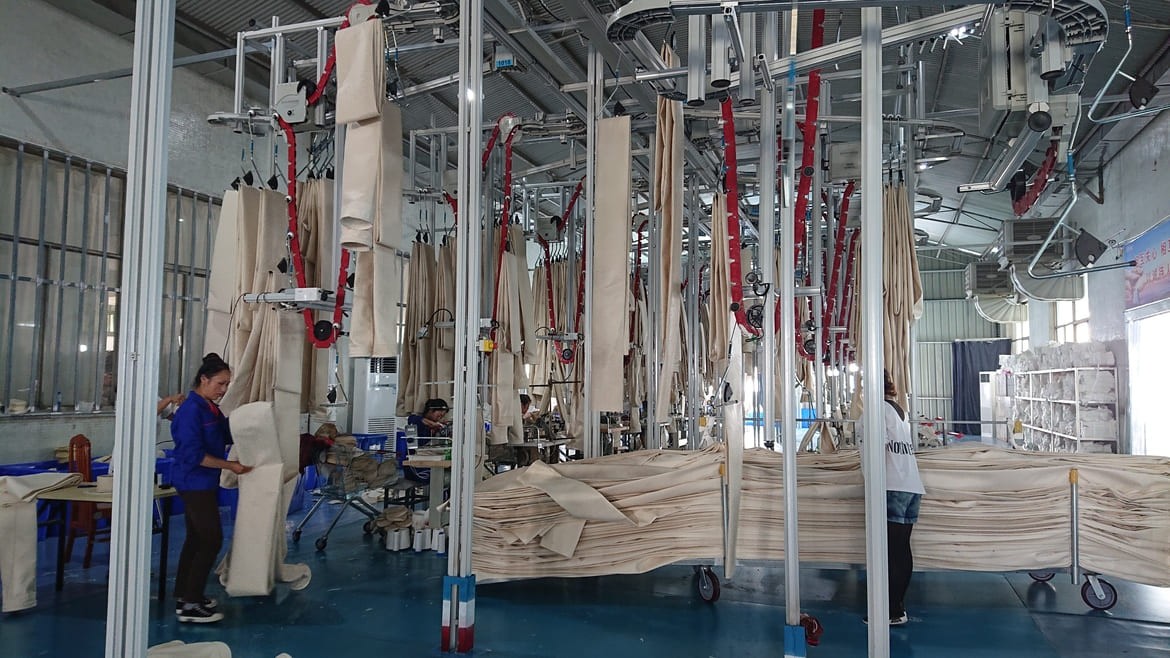
Cement Silo Baghouse: Essential Dust Collection for Cement Storage and Handling
Cement Silo Baghouse: Essential Dust Collection for Cement Storage and Handling
Introduction
In the cement industry, where dust generation is an inherent aspect of production, storage, and transportation, controlling this dust is vital for both environmental protection and operational efficiency. Cement silo baghouses play a crucial role in this scenario, serving as the primary defense against dust emissions. This article explores the function, design, benefits, and maintenance of cement silo baghouses, providing insights into why they are indispensable for modern cement operations.
Understanding Cement Silo Baghouses
A cement silo baghouse, also known as a dust collector, is installed atop cement silos to capture dust particles generated during the filling, storage, and dispensing of cement. Here's how they work:
- Mechanism: Dust-laden air enters the baghouse where it passes through filter bags. Particles are collected, and clean air exits through the top or sides of the baghouse.
- Types of Baghouses:
- Shaker Baghouses: Use mechanical shaking to dislodge dust from bags.
- Reverse Air Baghouses: Employ reverse airflow to clean bags.
- Pulse Jet Baghouses: Use short bursts of compressed air to clean filters, the most common type due to efficiency.
Benefits of Baghouse Dust Collection in Cement Silos
- Environmental Compliance: Helps cement plants meet stringent dust emission regulations.
- Health and Safety: Reduces respiratory hazards for workers, improving workplace safety.
- Product Quality: Prevents contamination of cement with dust, ensuring consistent product quality.
- Equipment Longevity: Dust can abrade machinery; baghouses protect equipment from premature wear.
- Efficiency: Minimizes material loss due to dust escape, conserving resources and reducing costs.
Design Considerations for Cement Silo Baghouses
Designing an effective cement silo baghouse involves:
- Material Selection: Choosing materials that resist abrasion and high temperatures, like polyester or aramid for bags.
- Filtration Efficiency: Ensuring the baghouse can handle the dust load and particle size common in cement operations.
- Space and Integration: Fitting within the often-limited space atop silos while integrating with existing infrastructure.
- Maintenance Accessibility: Designing for easy access for inspections, cleaning, and bag replacement.
Installation and Integration
Proper installation of a baghouse on a cement silo involves:
- Structural Engineering: Ensuring the silo can bear the additional weight and that the baghouse is securely mounted.
- Airflow Management: Correctly sizing ducts and fans to manage air volume and velocity for effective filtration.
- System Compatibility: Aligning the baghouse's operation with the silo's filling and discharging cycles.
Maintenance and Performance Optimization
Maintaining baghouse performance requires:
- Regular Inspections: Checking for leaks, wear, or blockages in bags and ducts.
- Cleaning Schedules: Establishing routines for cleaning or replacing filter bags to avoid excessive dust buildup.
- Pressure Monitoring: Using differential pressure gauges to detect when cleaning or maintenance is necessary.
- Efficiency Checks: Periodically testing for dust emission levels to ensure compliance and efficiency.
Case Studies
- Case Study 1 - Large Cement Manufacturer: After installing advanced pulse jet baghouses, a plant reduced its dust emissions by 95%, leading to a significant drop in environmental fines and maintenance costs.
- Case Study 2 - Small Batch Plant: A smaller operation transitioned from shaker to pulse jet systems, enhancing dust collection efficiency and reducing downtime for cleaning by 50%.
Environmental and Economic Impacts
Effective dust control with baghouses contributes to:
- Reduced Environmental Impact: Lower dust emissions mean less pollution and better air quality around the facility.
- Cost Savings: Less material loss, reduced maintenance, and compliance with regulations prevent fines and operational interruptions.
Future Trends in Baghouse Technology for Cement Silos
The future of baghouse technology in cement handling might include:
- Smart Dust Collectors: Incorporating IoT for monitoring dust levels, pressure, and filter health in real-time.
- Energy Efficiency: Designing systems that use less energy for operation, reducing the overall environmental footprint.
- Innovative Materials: Development of filter materials with longer life spans and higher capture rates.
Conclusion
Cement silo baghouses are fundamental in managing dust in cement storage and handling, ensuring compliance, safety, and operational efficiency. By understanding their role, optimizing design, and maintaining them correctly, cement plants can significantly benefit from this technology. As the industry evolves, so too will the technologies supporting cleaner, more efficient operations.