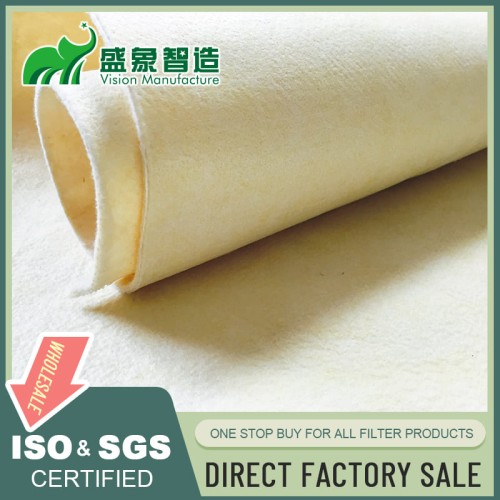
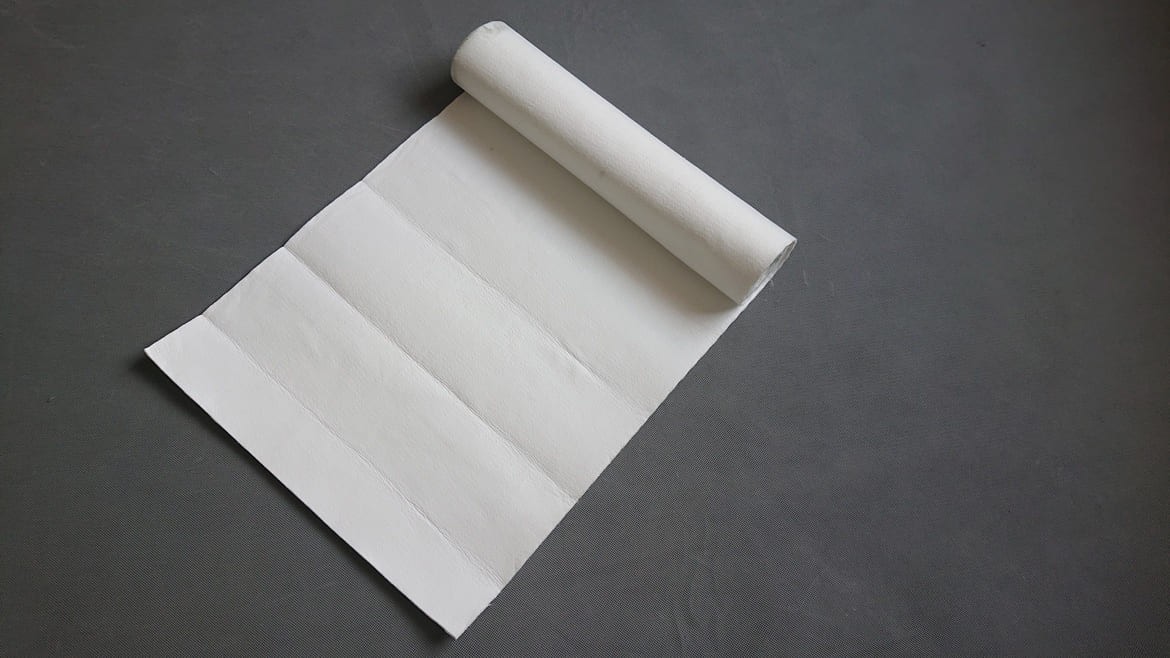
Fiberglass Felt: Versatile High-Temperature Filtration Solution
Fiberglass Felt: Versatile High-Temperature Filtration Solution
I. Introduction
Fiberglass felt has become a cornerstone in high-temperature filtration, offering a robust and effective solution for industries where heat and harsh conditions are prevalent. This article explores:
- The role of fiberglass felt in high-temperature filtration
- Benefits and applications of fiberglass felt
- Types of fiberglass felt and their characteristics
- Choosing the right fiberglass felt for your system
- Maintenance tips for fiberglass felt
- Innovations in fiberglass felt technology
II. The Role of Fiberglass Felt
Fiberglass felt is essential for industries requiring filtration at high temperatures, capturing dust, debris, and other particulates in extreme conditions. Here’s why it's important:
- High-Temperature Resistance: Fiberglass felt can withstand temperatures up to 500°F, making it suitable for applications like steel manufacturing, cement production, and power generation.
- Chemical Resistance: It is resistant to many chemicals, ensuring longevity and reliability in harsh environments.
1. Industry Statistics
According to a report by MarketsandMarkets, the global high-temperature filtration market is projected to reach USD 2.3 billion by 2025, growing at a CAGR of 5.8%. This growth is driven by increasing industrialization, stringent environmental regulations, and a focus on workplace safety.
2. Case Study: Steel Manufacturing
In steel manufacturing, fiberglass felt is used in baghouses to capture fine steel dust and particulates. A steel mill in China implemented fiberglass felt bags, reducing dust emissions by over 90% and improving air quality in the plant.
III. Benefits and Applications
1. Industrial Applications
- Power Generation: Used in coal-fired power plants to capture fly ash, ensuring compliance with environmental regulations. A power plant in India installed fiberglass felt bags, reducing emissions by 95% and meeting local air quality standards.
- Metalworking: Captures fine metal particles during welding, grinding, or casting operations. A metalworking facility in the USA reduced metal dust emissions by 98% through the use of fiberglass felt bags.
- Cement Production: Ensures product purity by capturing dust and particulates in cement kilns. A cement plant in Brazil implemented fiberglass felt bags, reducing dust emissions by 92%.
- Incinerators and Waste-to-Energy Plants: Used to capture particulates from waste combustion. A waste-to-energy plant in Germany installed fiberglass felt bags, reducing emissions by 97%.
2. Benefits of Using Fiberglass Felt
- Versatility: Fiberglass felt is suitable for a wide range of applications due to its high-temperature resistance, chemical resistance, and durability. It can be used in both dry and wet environments.
- Extended Filter Life: Fiberglass felt's durability extends the life of the filter bags, reducing replacement costs. A survey by the International Dust Collection Association (IDCA) showed that facilities using fiberglass felt experienced a 50% increase in filter bag life.
- Compliance with Regulations: Helps industries meet environmental and safety standards by reducing emissions. According to the World Bank, industries using fiberglass felt can achieve up to 99.9% dust collection efficiency, significantly reducing environmental impact.
IV. Types of Fiberglass Felt
- Plain Fiberglass Felt: Suitable for general high-temperature applications. These felts have a uniform structure, providing consistent filtration efficiency.
- Needle-Punched Fiberglass Felt: Ideal for fine dust capture due to its high filtration efficiency. They are often used in applications where particle capture efficiency is critical.
- Membrane-Supported Fiberglass Felt: Provides increased surface area for improved filtration. These felts are designed for high-efficiency filtration in applications like pharmaceuticals or electronics manufacturing.
- Custom Fiberglass Felt: Designed for specific industrial needs or unique dust characteristics. Custom felts can be engineered for applications like high-temperature filtration or specific chemical resistance.
1. Material Selection
Choosing the right material for fiberglass felt is crucial for its performance and longevity. Here are some common materials:
- E-Glass: Offers good strength, flexibility, and chemical resistance.
- S-Glass: Provides higher strength and temperature resistance.
- Anti-Static Fiberglass: Reduces the risk of static discharge in explosive environments.
- Water-Repellent Fiberglass: Suitable for applications where moisture resistance is required.
V. Choosing the Right Fiberglass Felt
- Filter Bag Compatibility: Ensure the felt matches the dust collector system's specifications. A mismatch can lead to inefficient filtration or even damage to the system.
- Material: Choose based on the environment (e.g., E-glass for high-temperature applications). Here are some considerations:
- Chemical Resistance: For environments with chemicals, select felts with the appropriate chemical resistance.
- High Temperature: For applications where temperatures exceed 500°F, consider felts made from materials with high heat resistance.
- Moisture Resistance: If moisture is a concern, water-repellent fiberglass might be more suitable.
- Size and Shape: Select felts that fit your dust collector system's dimensions. Incorrect sizing can lead to improper bag seating and reduced filtration efficiency.
- Filtration Efficiency: Consider the required filtration efficiency for your application. Membrane-supported felts offer higher efficiency due to increased surface area.
VI. Maintenance Tips
- Regular Inspection: Check for wear, damage, or blockages to maintain optimal filtration efficiency. Visual inspections should be conducted at least once per month, with more frequent checks in harsh environments.
- Cleaning: Use pulse jet cleaning or manual shaking to dislodge captured dust. Here's a step-by-step guide for manual cleaning:
- Turn off the dust collection system.
- Remove the filter bags.
- Use compressed air to blow dust off the bags.
- If dust is stubborn, gently tap or shake the bags to dislodge it.
- Inspect the bags for damage or wear before reinstalling.
- Replacement: Replace bags when they show signs of significant wear or when filtration efficiency drops. Here are signs that replacement might be needed:
- Visible damage or tears in the bag.
- Excessive dust leakage or reduced filtration performance.
- Change in bag color or texture.
VII. Innovations in Fiberglass Felt Technology
- Smart Filtration Systems: Integration of sensors to monitor filter bag performance, predicting when maintenance is needed. A dust collection system in a cement plant was equipped with smart filtration systems, reducing maintenance downtime by 30%.
- Nano-Technology Coatings: Some fiberglass felts now feature nano-coatings for enhanced particle capture and easier cleaning. A study by the National Institute for Occupational Safety and Health (NIOSH) showed that nano-coatings could reduce dust adhesion by up to 80%.
- Biodegradable Fiberglass Felt: Development of biodegradable materials for filter bags, reducing environmental impact. A company in Australia has developed biodegradable fiberglass felts made from renewable resources.
- Modular Filter Designs: Allowing for easy replacement and customization to meet specific filtration needs. A modular design was implemented in a food processing plant, reducing system downtime during maintenance by 40%.
Conclusion
Fiberglass felt is indispensable for industries seeking efficient high-temperature filtration, product purity, and compliance with environmental standards. By understanding its role, benefits, types, and maintenance, you can leverage fiberglass felt to improve your industrial filtration systems. If you have any questions or would like to share your experiences with fiberglass felt, feel free to leave a comment below or share this article on social media to help others understand its importance in high-temperature filtration.
Call to Action: If you found this article helpful, please share it with your colleagues or leave a comment with your insights or questions. Let's continue the conversation on how to improve industrial air quality!