How Do 0.5 Micron Filter Bags Provide Ultra-Fine Filtration for Demanding Applications?
How Do 0.5 Micron Filter Bags Provide Ultrafine Filtration for Demanding Applications?
Introduction to 0.5 Micron Filtration
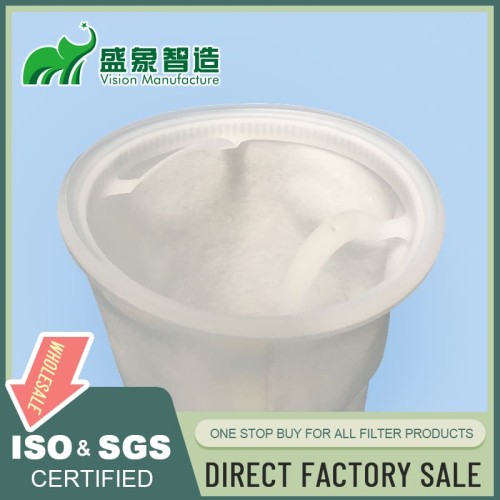
In industries where precision and purity are paramount, filtration down to the sub-micron level is crucial. 0.5 micron filter bags are engineered to capture particles that are significantly smaller than those captured by coarser filters, providing a level of filtration that's essential for demanding applications across various sectors. This article explores how these ultrafine filter bags work, their advantages, and their applications in challenging environments.
Understanding Micron Filtration
A micron (μm) is a unit of length equal to one-millionth of a meter. In filtration, the micron rating describes the size of the smallest particle that the filter can effectively remove from a liquid or gas. A 0.5 micron filter bag is designed to block all particles larger than 0.5 microns, trapping them within its structure to prevent contamination downstream:
- Particle Size Comparison: For context, a human red blood cell is approximately 6-8 microns, while bacteria can range from 0.3 to 1.0 microns, with some viruses even smaller.
- Filtration Mechanism: These bags use depth filtration, where contaminants are trapped within the media rather than just on the surface, enhancing capture efficiency.
Advantages of 0.5 Micron Filter Bags
- High Filtration Efficiency: They offer near-perfect removal of particles at their rated size, often with efficiencies exceeding 99.9%.
- Extended Service Life: Due to their depth filtration, they can hold more dirt before needing replacement or cleaning.
- Versatility: Suitable for a wide range of fluids and temperatures, thanks to various material choices like polypropylene, polyester, or nylon.
- Reduced Downtime: With longer life spans, there are fewer interruptions for filter changes, enhancing operational continuity.
- Compliance: Helps meet stringent regulatory requirements for purity in pharmaceuticals, food & beverage, and semiconductor industries.
Applications in Demanding Environments
- Pharmaceuticals: Critical for sterile filtration processes, ensuring product safety and efficacy.
- Food and Beverage: Improves product clarity and safety by removing microscopic contaminants that could affect taste, appearance, or shelf life.
- Chemical Processing: Prevents catalyst poisoning and maintains chemical purity, crucial for high-value product streams.
- Semiconductor Manufacturing: Essential for ultra-pure water and process chemicals where even the tiniest particle can cause defects.
- Paint and Coatings: Ensures the uniformity and quality of the final product by removing fine particulates.
Design and Material Considerations
The design of 0.5 micron filter bags involves:
- Material Selection: Based on chemical compatibility, temperature resistance, and flow rates. Polypropylene for general use, polyester for higher temperatures, and nylon for strength.
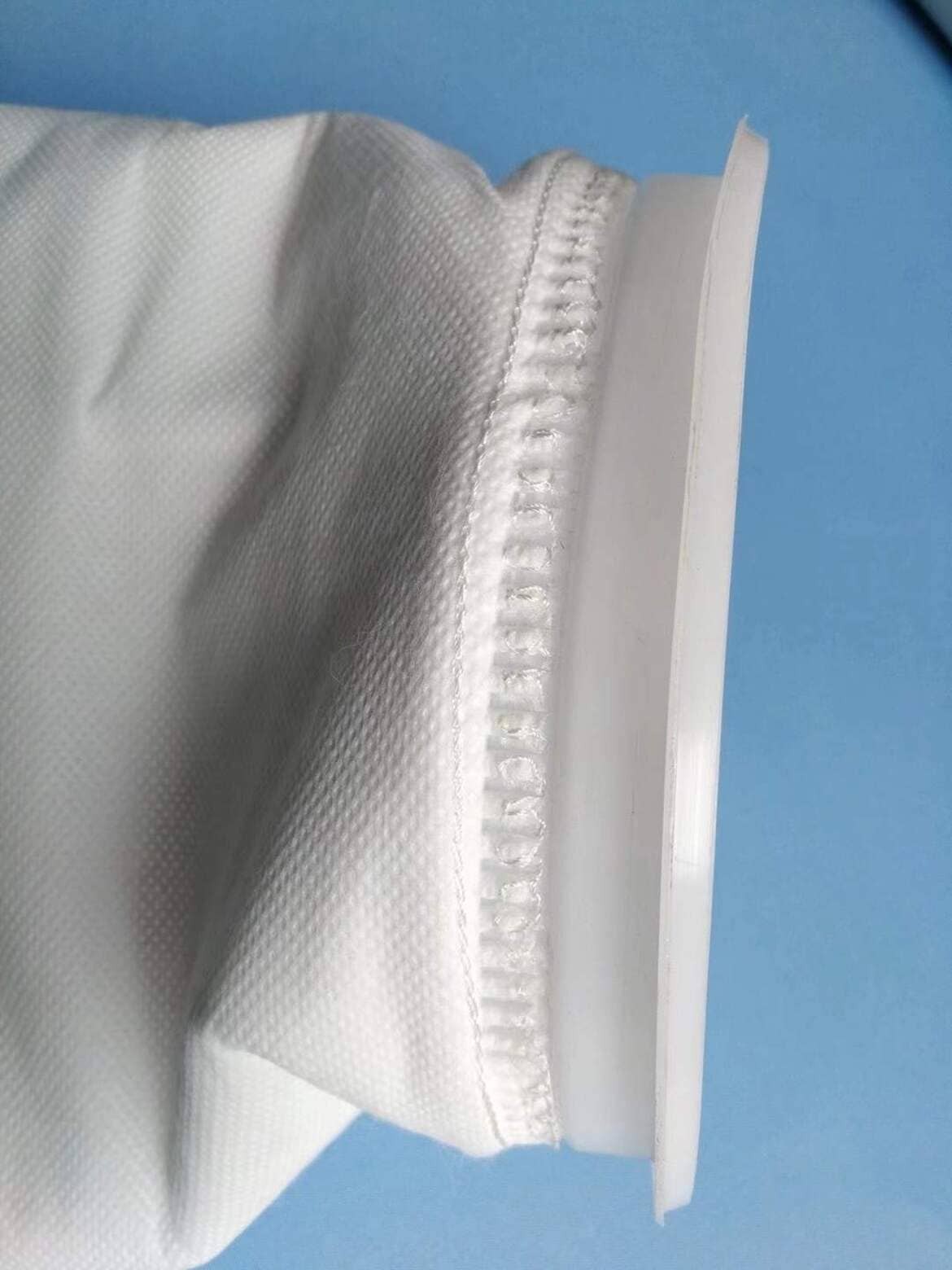
- Construction: Seamless or welded seams to prevent bypass, ensuring all flow passes through the filter media.
- Media Structure: Multi-layered or gradient density to capture particles progressively smaller towards the inner layers.
Maintenance and Optimization
To maintain the efficiency of 0.5 micron filter bags:
- Regular Inspection: Monitor for differential pressure to avoid clogging.
- Cleaning or Replacement: Depending on the application, bags might be cleaned or replaced to ensure continuous performance.
- Flow Rate Control: Adjusting flow to match filtration capacity prevents premature clogging.
Case Studies
- Pharma Industry: A manufacturer used 0.5 micron bags to achieve compliance with FDA guidelines, reducing microbial contamination in injectables.
- Electronics: Semiconductor plants adopted these bags to filter ultrapure water used in chip manufacturing, significantly reducing defect rates.
Future of Ultrafine Filtration
As industries continue to demand higher purity, the future of 0.5 micron filtration looks toward:
- Advanced Materials: Exploring new composites for even better filtration performance.
- Smart Filtration: Incorporating IoT for real-time monitoring of filter health.
- Sustainability: Developing biodegradable or reusable filter options to reduce environmental impact.
Conclusion
0.5 micron filter bags are pivotal in industries where ultrafine filtration is not just beneficial but necessary. Their ability to provide high-efficiency particle removal while maintaining operational integrity makes them indispensable for applications demanding the highest standards of purity and quality.