
How Do 1 Micron Filter Bags Achieve Precision Filtration in Critical Applications?
I. Introduction
In industries where precision filtration is not just a preference but a necessity, 1 micron filter bags play a pivotal role. These bags are engineered to capture particles at an extremely fine level, ensuring that the final product or process meets stringent quality and safety standards. This comprehensive guide will explore the technology, applications, and performance of 1 micron filter bags in critical filtration scenarios.
II. What Are 1 Micron Filter Bags?
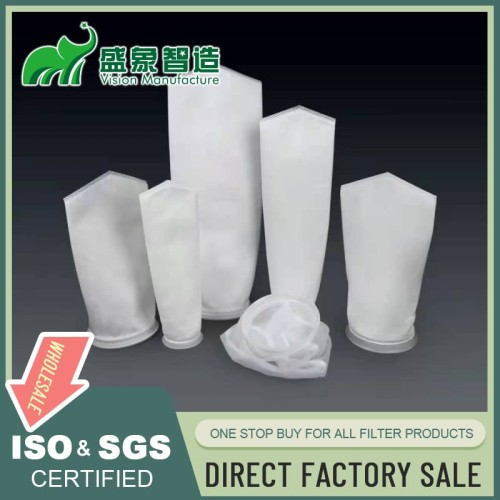
1 micron filter bags are a type of liquid or gas filtration media specifically designed to capture particles that are as small as 1 micron in size. Here's how they function:
- Material Composition: Typically made from high-quality materials like polyester or polypropylene felt, which offer a balance between strength, filtration efficiency, and cost.
- Filtration Principle: The bag's pores are sized to allow fluid to pass while retaining particles larger than 1 micron on the surface or within the media.
III. The Importance of 1 Micron Filtration in Critical Applications
- Purity and Clarity: In industries like pharmaceuticals or food and beverage, where product purity is paramount, 1 micron filtration ensures contaminants are kept to a minimum.
- Equipment Protection: By removing fine particulates, these bags safeguard sensitive machinery from wear and tear, extending equipment life and reducing maintenance costs.
- Regulatory Compliance: Meeting industry standards for cleanliness, especially in sectors regulated by bodies like the FDA or EPA, often requires filtration down to 1 micron.
- Process Efficiency: Cleaner fluids mean less downtime for cleaning, higher product quality, and more efficient operations.
IV. Real-World Applications and Success Stories
- Water Treatment: In 2024, a municipal water treatment plant in California adopted 1 micron filter bags as part of their final filtration step, reducing turbidity by 95% and meeting new environmental regulations.
- Pharmaceutical Manufacturing: A major drug manufacturer in Switzerland switched to 1 micron filtration in 2023 for API (Active Pharmaceutical Ingredients) processing, significantly reducing cross-contamination and improving product consistency.
- Chemical Processing: In 2025, a chemical plant in Texas used 1 micron bags to filter out catalyst fines in their process, leading to cleaner reactions and a higher yield of the desired chemical product.
V. How 1 Micron Filter Bags Achieve Precision Filtration
- Fabric Density: The fabric is woven or felted to create a dense matrix where the average pore size is around or below 1 micron, ensuring high capture rates of fine particles.
- Surface Filtration: For certain applications, a smooth surface is provided to trap contaminants on the bag's exterior, preventing them from penetrating deeper into the filter media.
- Depth Filtration: In other scenarios, multiple layers or a thicker media allow for depth filtration, capturing particles throughout the filter's thickness for enhanced performance.
- Cleaning and Regeneration: Some 1 micron filter bags are designed for multiple uses, with cleaning methods like backwashing or ultrasonic cleaning to restore filtration capacity.
VI. Maintenance and Longevity
- Regular Inspections: Monitoring for signs of wear, clogs, or breaches is crucial to maintain filtration integrity.
- Pressure Monitoring: Using differential pressure indicators to decide when to clean or replace bags ensures system efficiency and prevents unexpected failures.
- Lifetime Considerations: Factors like the type of contaminant, fluid viscosity, and cleaning regimes influence how long each bag will last before needing replacement.
VII. Choosing the Right 1 Micron Filter Bag
- Application Specific: Selection should be based on the fluid being filtered, the type and concentration of contaminants, and the operational conditions like temperature and chemical compatibility.
- Material Selection: Depending on the application, choose materials resistant to the specific chemicals or conditions encountered.
- Size and Flow Rate: The bag must match the filtration housing and handle the required flow rate without excessive pressure drop.
- Consultation: Engaging with filtration experts can help tailor solutions to your unique needs.
VIII. Emerging Technologies and Trends
- Nanofiber Enhancements: Incorporating nanofibers into traditional fabrics to increase filtration efficiency without increasing pressure drop.
- Smart Filtration Systems: Using sensors and IoT for real-time monitoring of filtration performance, allowing for predictive maintenance and optimal operation.
- Eco-Friendly Materials: A push towards more sustainable filtration options, including biodegradable or recyclable materials.
IX. Conclusion
1 micron filter bags are essential tools in achieving precision filtration in industries where quality cannot be compromised. By understanding their design, application, and maintenance, businesses can leverage these bags to meet stringent standards, protect equipment, and ensure process efficiency.
X. Call to Action
- Explore More: Delve into our technical resources, case studies, and product offerings related to 1 micron filtration.
- Consult Our Experts: Get personalized advice to select or design the perfect filtration solution for your critical applications.