Needled Felt: Advanced Filtration Media for Industrial Applications
Needled Felt: Advanced Filtration Media for Industrial Applications
1. Introduction
Needled felt is a crucial filtration media used in various industrial applications due to its durability and efficiency. This article explores the benefits, applications, and advancements of needled felt, providing valuable insights for industry professionals.
2. What Is Needled Felt?
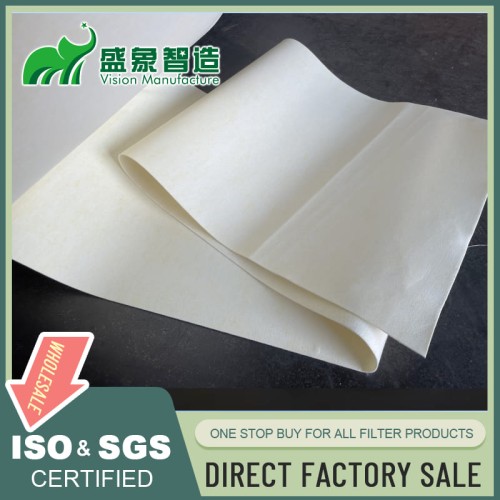
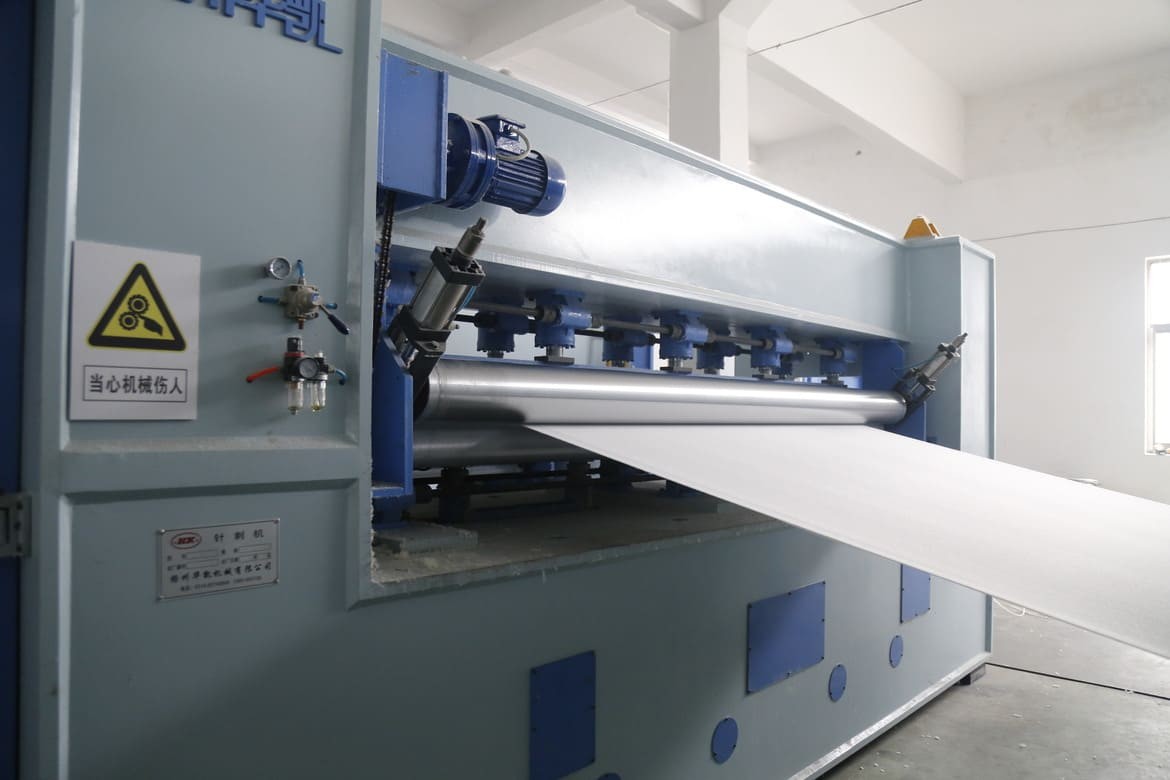
Needled felt is a type of nonwoven fabric made by interlocking fibers through a process called needling. This creates a dense, durable material that is highly effective for filtration purposes.
3. Key Benefits of Needled Felt
- Durability: Needled felt is known for its strength and resistance to wear and tear, making it suitable for demanding industrial environments.
- Efficiency: The dense structure of needled felt provides high filtration efficiency, capturing fine particles and ensuring clean air or liquid output.
- Versatility: Needled felt can be used in a wide range of applications, from dust collection to liquid filtration.
4. Applications of Needled Felt
Needled felt is used in various industries, including:
- Cement Manufacturing: To filter dust and particulate matter from exhaust gases.
- Steel Production: For capturing fine particles in high-temperature environments.
- Power Generation: In coal-fired power plants to filter flue gases.
- Chemical Processing: To handle aggressive chemicals and high temperatures.
5. Advancements in Needled Felt Technology
Recent advancements have enhanced the performance of needled felt:
- Improved Fiber Blends: Combining needled felt with other fibers to enhance filtration efficiency and durability.
- Advanced Coatings: Applying coatings to improve chemical resistance and reduce clogging.
- Innovative Designs: Developing new felt designs to optimize airflow and filtration performance.
6. Choosing the Right Needled Felt
When selecting needled felt, consider the following factors:
- Operating Temperature: Ensure the felt can withstand the maximum temperature of your application.
- Chemical Compatibility: Choose a felt that can resist the chemicals present in your process.
- Particle Size: Select a felt with the appropriate filtration efficiency for the particles you need to capture.
7. Maintenance and Care of Needled Felt
Proper maintenance is crucial for the longevity and performance of needled felt:
- Regular Inspections: Check for signs of wear and tear, and replace felt as needed.
- Cleaning: Follow manufacturer guidelines for cleaning to prevent damage and maintain efficiency.
- Storage: Store needled felt in a cool, dry place to prevent degradation.
8. Case Studies and Examples
- Cement Plant: A cement plant reduced emissions by 85% after switching to needled felt, demonstrating its effectiveness in high-dust environments.
- Steel Mill: A steel mill improved air quality and worker safety by using needled felt to capture fine metal particles.
9. Statistics and Market Trends
The global market for needled felt is expected to grow significantly, driven by increasing demand in industrial applications. According to recent reports, the market is projected to reach millions of dollars by 2030, with a compound annual growth rate (CAGR) of X%.
10. Conclusion
Needled felt is a vital component in industrial filtration applications. Its durability, efficiency, and versatility make it an excellent choice for various industries. By understanding its benefits, applications, and advancements, industry professionals can make informed decisions to enhance their filtration processes.