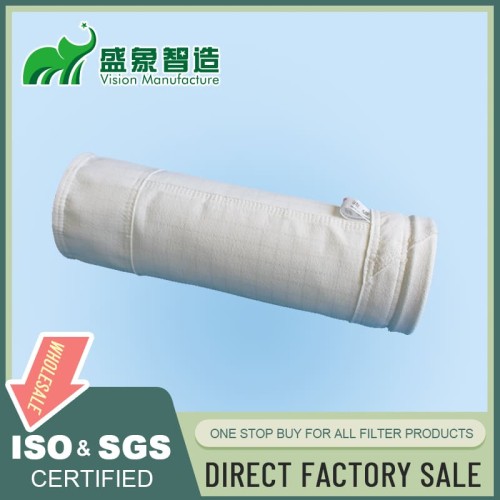
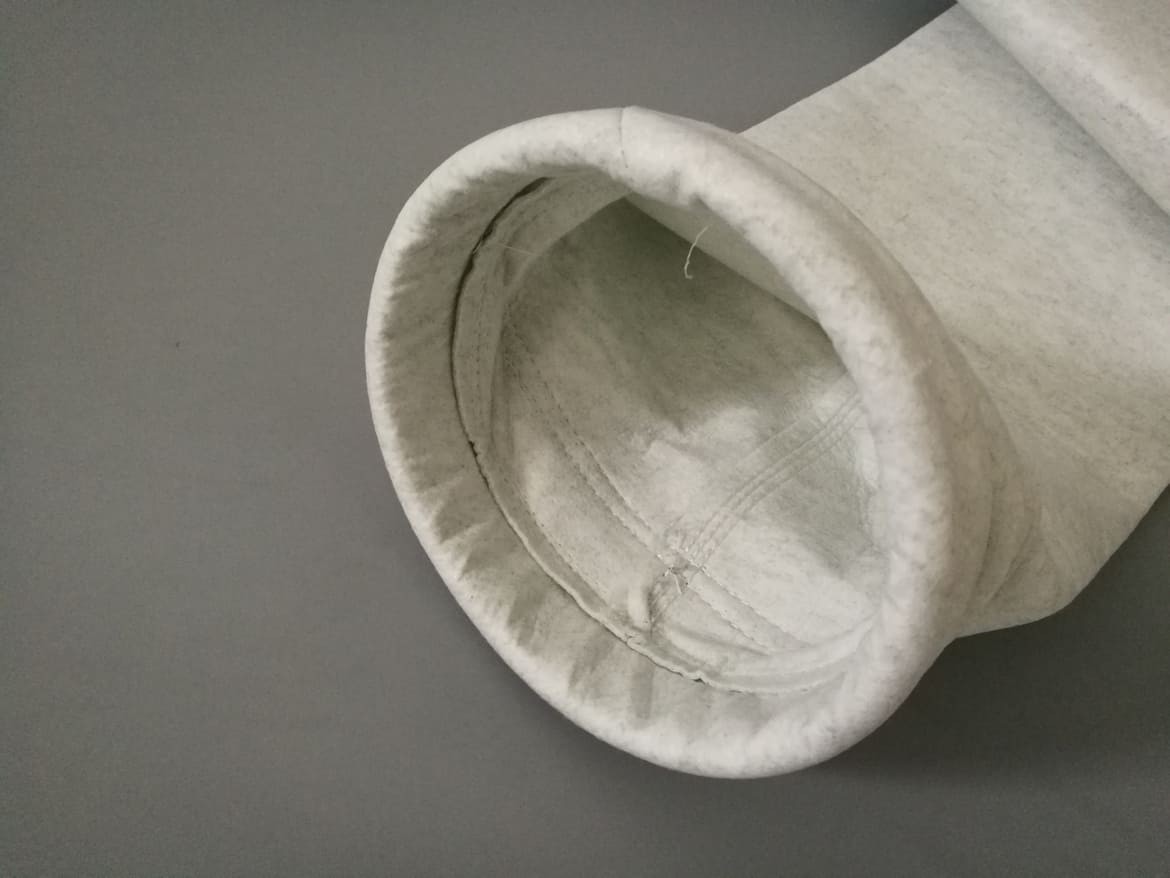
Cement Silo Filter Bags: Essential for Dust Control and Product Quality
I. Introduction
In cement silos, effective dust control is crucial not only for environmental compliance but also for maintaining the quality of the stored cement. Filter bags play a pivotal role in capturing dust particles, ensuring clean operations, and preserving the integrity of cement products. This section explores the importance of filter bags in cement silos and their impact on operational efficiency and product quality.
II. Types of Filter Bags for Cement Silos
- Polyester Filter Bags: Known for their durability and efficiency, suitable for general dust collection.
- Polypropylene Filter Bags: Offer excellent chemical resistance and are effective in moist environments.
- PTFE-coated Bags: Provide high temperature resistance and excellent filtration efficiency.
- Nomex (Aramid) Filter Bags: Designed for high-temperature applications, ensuring durability under extreme conditions.
- Specialty Blends for Cement Applications: Customized solutions designed to handle specific challenges in cement silos, such as high temperatures or abrasive materials.
III. Design Considerations
- Dust Particle Characteristics in Cement: Understanding the properties of the dust particles helps in selecting the appropriate filter media.
- Temperature and Humidity Factors: Essential for choosing materials that can withstand the silo's environmental conditions.
- Airflow and Pressure Requirements: Ensures that the filter bags can handle the volume and pressure of air passing through the system without compromising performance.
- Abrasion Resistance Needs: Important for durability, especially in handling the abrasive nature of cement particles.
- Silo Configuration: The design of the silo itself influences the type and placement of filter bags needed for optimal performance.
IV. Key Features and Benefits
- High Collection Efficiency: Ensures that a significant percentage of dust particles are captured, reducing emissions.
- Resistance to Alkaline Environments: Critical in cement applications where high pH levels can degrade certain materials.
- Extended Service Life: Reduces the frequency of replacements, lowering maintenance costs.
- Easy Cake Release Properties: Facilitates easier cleaning and maintenance, enhancing overall system efficiency.
- Cost-Effectiveness: Provides a balance between initial investment and long-term operational savings.
V. Installation and Maintenance
- Proper Installation Techniques: Critical for ensuring that filter bags are set up correctly to function efficiently.
- Cleaning Cycles and Methods: Regular cleaning is essential to maintain filtration efficiency and extend the life of the bags.
- Inspection and Replacement Guidelines: Routine checks help identify when bags need to be replaced to maintain optimal performance.
- Troubleshooting Common Issues: Addresses potential problems that could affect the dust collection system.
- Operator Training: Educating staff on the correct handling and maintenance procedures enhances system reliability.
VI. Performance Metrics
- Filtration Efficiency: Measures how effectively the filter bags remove particulates from the air.
- Pressure Drop Management: Important for maintaining energy efficiency and reducing operational costs.
- Dust Emission Rates: Ensures compliance with environmental regulations by keeping emissions within permissible levels.
- Bag Life Expectancy: Predicts the operational lifespan of the filter bags under normal conditions.
- Cleaning Frequency: Determines how often maintenance should be performed to avoid performance degradation.
VII. Regulatory Compliance
- Emission Standards for Cement Industry: Adherence to specific regulations that govern particulate emissions in the cement sector.
- Workplace Safety Regulations: Ensures that the filtration system contributes to a safe working environment.
- Environmental Protection Guidelines: Compliance with broader environmental standards to minimize the ecological impact of cement production.
- Regular Reporting: Maintaining records for audits and compliance checks.
VIII. Cost-Benefit Analysis
- Initial Investment vs. Long-term Savings: Evaluates the upfront costs against the long-term benefits of using high-quality filter bags.
- Operational Cost Impacts: Considers how efficient filter bags can reduce energy consumption and maintenance expenses.
- Product Quality Improvements: Assesses the impact of effective dust control on the quality of the cement produced.
- Environmental Fines Avoidance: Potential savings from avoiding penalties due to non-compliance with emission standards.
IX. Case Studies and Success Stories
Real-world examples demonstrating how advanced filter bag solutions have resolved dust control challenges in cement silos, leading to improved operational efficiency and compliance with environmental standards. These include case studies from large cement plants, small batch operations, and specialty cement producers showcasing the versatility and effectiveness of modern filtration technologies.
X. Future Trends in Cement Silo Filtration
Exploration of emerging technologies and materials that are shaping the future of filtration in cement silos, including innovations like smart filtration systems with IoT integration for real-time monitoring, energy-efficient designs, and the use of sustainable materials that offer enhanced performance and reduced environmental impact.
XI. Conclusion
Filter bags are indispensable in the cement industry, playing a critical role in dust control and product quality. As technology advances, these components continue to evolve, offering more efficient and environmentally friendly solutions. This section underscores the importance of staying abreast of new developments and adopting best practices in cement silo filtration to ensure operations are both economically viable and environmentally responsible.
Leave a comment