Maximizing Efficiency with 200 Micron Filter Bags in Industrial Filtration
Maximizing Efficiency with 200 Micron Filter Bags in Industrial Filtration
Introduction
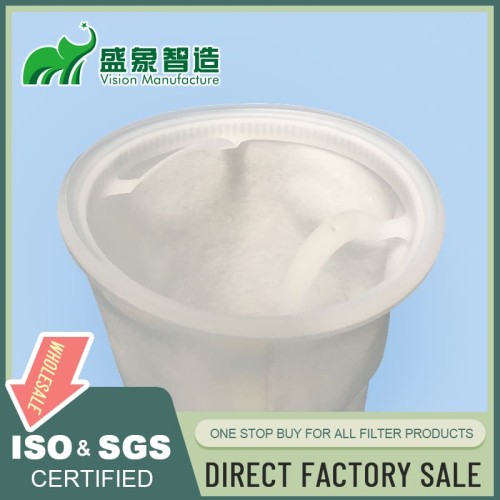
In the realm of industrial filtration, the choice of filtration materials plays a pivotal role in ensuring the efficiency of manufacturing processes. Among these, 200 micron filter bags stand out for their ability to effectively capture coarse particles, thus maintaining product purity and machine longevity. This article delves into the specifics of 200 micron filter bags, exploring their applications, advantages, and how they can be optimized for various industrial uses.
Understanding Micron Ratings
The term "micron" refers to the size of the particles that a filter can trap. A 200 micron filter bag is designed to catch particles that are 200 microns or larger. To put this in perspective, a human hair typically ranges from 50-70 microns in diameter, making 200 micron filtration ideal for larger, coarse particles that could otherwise lead to blockages or contamination in industrial systems.
- Applications of 200 Micron Filter Bags:
- Water Filtration in Industry: Used in water treatment facilities where large particulate matter needs to be removed before finer filtration stages.
- Food and Beverage Processing: Ensures that food products are free from large contaminants which could affect quality or safety.
- Chemical Processing: Filters out large particulates from chemicals before further refinement or use.
- Paint and Coatings: Removes overspray, agglomerates, and other coarse materials from paint lines or mixing stations.
- Automotive: Employed in cooling systems or during manufacturing to remove debris from fluids.
Design and Material Composition
200 micron filter bags are typically constructed from materials like polyester, polypropylene, or nylon, chosen based on the chemical compatibility with the substances being filtered. Here's a breakdown:
- Polyester: Offers good chemical resistance and is suitable for hot liquids. It's durable and has excellent dimensional stability.
- Polypropylene: Economical choice, good for use with acids, alkalis, and solvents. Known for its high filtration efficiency.
- Nylon: Provides superior strength and elasticity, ideal for environments with high mechanical stress.
Each material has its unique properties which dictate its application:
- Temperature Resistance: Polypropylene can withstand higher temperatures compared to polyester but not as much as nylon in some cases.
- Chemical Compatibility: Polypropylene is often used in highly corrosive environments due to its inert nature.
Optimization Techniques
To fully leverage the benefits of 200 micron filter bags, several optimization strategies can be employed:
- Correct Sizing: Ensure the bag fits perfectly within the housing to prevent bypass of unfiltered materials.
- Regular Maintenance: Schedule regular inspections and cleaning or replacement to maintain filtration efficiency.
- Flow Rate Management: Adjust flow rates to match the filtration capacity of the bag, preventing premature clogging.
- Layered Filtration: Use in conjunction with finer filters for a multi-stage filtration process, where coarse particles are removed first to protect more delicate filters.
Case Studies on Performance
- Case Study 1 - Chemical Industry: A chemical plant implemented 200 micron filter bags in their production line to reduce downtime caused by equipment clogs. After installation, they reported a 30% reduction in maintenance frequency and an increase in product consistency due to cleaner intermediate chemicals.
- Case Study 2 - Food Processing: A food processing unit switched to 200 micron bags for their initial filtration stage. This change not only enhanced the clarity of their liquid products but also extended the lifespan of their subsequent filtration systems by protecting them from wear caused by larger particles.
Environmental and Economic Impact
Using 200 micron filter bags can have significant environmental benefits by reducing waste from frequent filter changes and preventing contamination. Economically, the longevity and efficiency of these bags can lead to:
- Reduced Operational Costs: Fewer replacements and less frequent maintenance.
- Increased Equipment Lifespan: Less wear and tear on machinery due to cleaner filtration.
- Compliance with Regulations: Ensuring products meet quality and safety standards, thereby avoiding costly recalls or fines.
Troubleshooting Common Issues
- Clogging: Monitor pressure drops and flow rates. If there's an unexpected increase, it might be time to check or replace the filter bag.
- Leakage: Ensure all seams are intact and that the bag is properly seated within the filter housing.
- Reduced Efficiency: This could be due to improper sizing, damage to the bag, or incorrect material choice for the application.
Future Trends in Filter Bag Technology
- Smart Filters: Integration of sensors to monitor filter health, enabling predictive maintenance.
- Biodegradable Materials: A push towards sustainability could see an increase in eco-friendly filter materials.
- Customization: More tailored solutions for specific industries, potentially including coatings or treatments for enhanced functionality.
Conclusion
200 micron filter bags are crucial in industrial settings for the removal of coarse particles, ensuring that subsequent filtration stages or products are not compromised. By understanding the material properties, optimizing their use, and staying updated on technological advancements, industries can significantly improve their operational efficiency, product quality, and environmental footprint.
As this article demonstrates, there's a depth of knowledge and practice around 200 micron filter bags that can be leveraged for better industrial outcomes. Whether you're managing water treatment, food production, or chemical processing, these bags are an essential part of your filtration strategy.