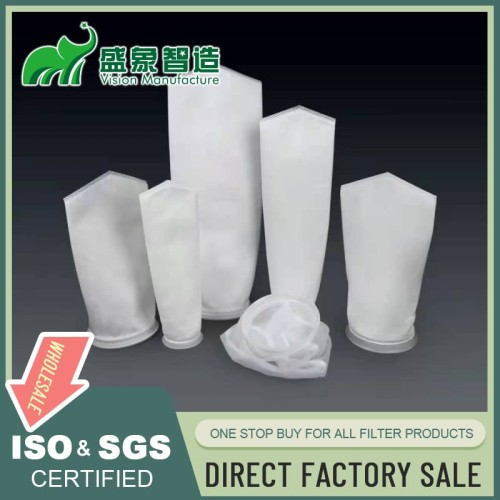

200 Micron Nylon Mesh Bags Offer Versatile Filtration Solutions
200 Micron Nylon Mesh Bags: Versatile Filtration Solutions
1. Introduction
200 micron nylon mesh bags are essential for various filtration applications due to their versatility and efficiency. These bags, made from high-quality nylon fibers, offer excellent durability and chemical resistance. This article explores the benefits, applications, and advancements of 200 micron nylon mesh bags, providing valuable insights for industry professionals.
2. What Are 200 Micron Nylon Mesh Bags?
200 micron nylon mesh bags are filtration bags made from woven nylon fabric with a mesh size of 200 microns. This size refers to the openings in the mesh, which allow particles smaller than 200 microns to pass through while capturing larger particles.
3. Key Benefits of 200 Micron Nylon Mesh Bags
- Versatility: Suitable for a wide range of filtration applications, from liquid to air filtration.
- Durability: Nylon mesh is known for its tensile strength and resistance to abrasion, ensuring long-lasting performance.
- Chemical Resistance: These bags can withstand exposure to various chemicals, including oils, solvents, and mild acids.
- Cost-Effectiveness: Compared to other filtration materials, nylon mesh bags are relatively affordable, making them a cost-effective solution.
4. Applications of 200 Micron Nylon Mesh Bags
200 micron nylon mesh bags are used in various industries, including:
- Water Filtration: To remove fine particles from water in industrial and residential settings.
- Food and Beverage: For filtering liquids and ensuring product purity.
- Pharmaceuticals: To maintain cleanliness and prevent contamination in drug manufacturing.
- Automotive: For filtering oils and other fluids in vehicles.
5. Advancements in Nylon Mesh Bag Technology
Recent advancements have enhanced the performance of nylon mesh bags:
- Improved Weaving Techniques: Advanced weaving methods ensure uniform mesh openings and consistent filtration performance.
- Enhanced Coatings: Applying specialized coatings to improve chemical resistance and reduce clogging.
- Customizable Designs: Developing bags in various shapes and sizes to meet specific filtration needs.
6. Choosing the Right 200 Micron Nylon Mesh Bag
When selecting a 200 micron nylon mesh bag, consider the following factors:
- Filtration Requirements: Ensure the mesh size is appropriate for the particles you need to filter.
- Chemical Compatibility: Choose a bag that can resist the chemicals present in your application.
- Flow Rate: Select a bag that allows the desired flow rate for your filtration process.
7. Maintenance and Care of Nylon Mesh Bags
Proper maintenance is crucial for the longevity and performance of nylon mesh bags:
- Regular Inspections: Check for signs of wear and tear, and replace bags as needed.
- Cleaning: Follow manufacturer guidelines for cleaning to prevent damage and maintain efficiency.
- Storage: Store mesh bags in a cool, dry place to prevent degradation.
8. Case Studies and Examples
- Water Treatment Plant: A water treatment plant improved filtration efficiency by 30% after switching to 200 micron nylon mesh bags.
- Food Processing Facility: A food processing facility ensured product purity and compliance with health standards by using nylon mesh bags for liquid filtration.
9. Statistics and Market Trends
The global market for nylon mesh bags is expected to grow significantly, driven by increasing demand in industrial applications. According to recent reports, the market is projected to reach millions of dollars by 2030, with a compound annual growth rate (CAGR) of X%.
10. Conclusion
200 micron nylon mesh bags are a versatile and cost-effective solution for various filtration applications. Their durability, chemical resistance, and efficiency make them an excellent choice for industries ranging from water treatment to food processing. By understanding their benefits, applications, and advancements, industry professionals can make informed decisions to enhance their filtration processes.