Dust Collector Cages: The Backbone of Efficient Filtration
Dust Collector Cages: The Backbone of Efficient Filtration
Introduction
In the realm of industrial air filtration, dust collector cages play a pivotal role in supporting filter bags and ensuring optimal filtration efficiency. These cages provide the structural support needed to maintain the shape of filter bags, allowing for effective dust collection. This article delves into:
- What are dust collector cages?
- Importance and applications of dust collector cages
- Types of dust collector cages
- Choosing the right cage for your system
- Maintenance tips for dust collector cages
- Innovations in dust collector cage design
What Are Dust Collector Cages?
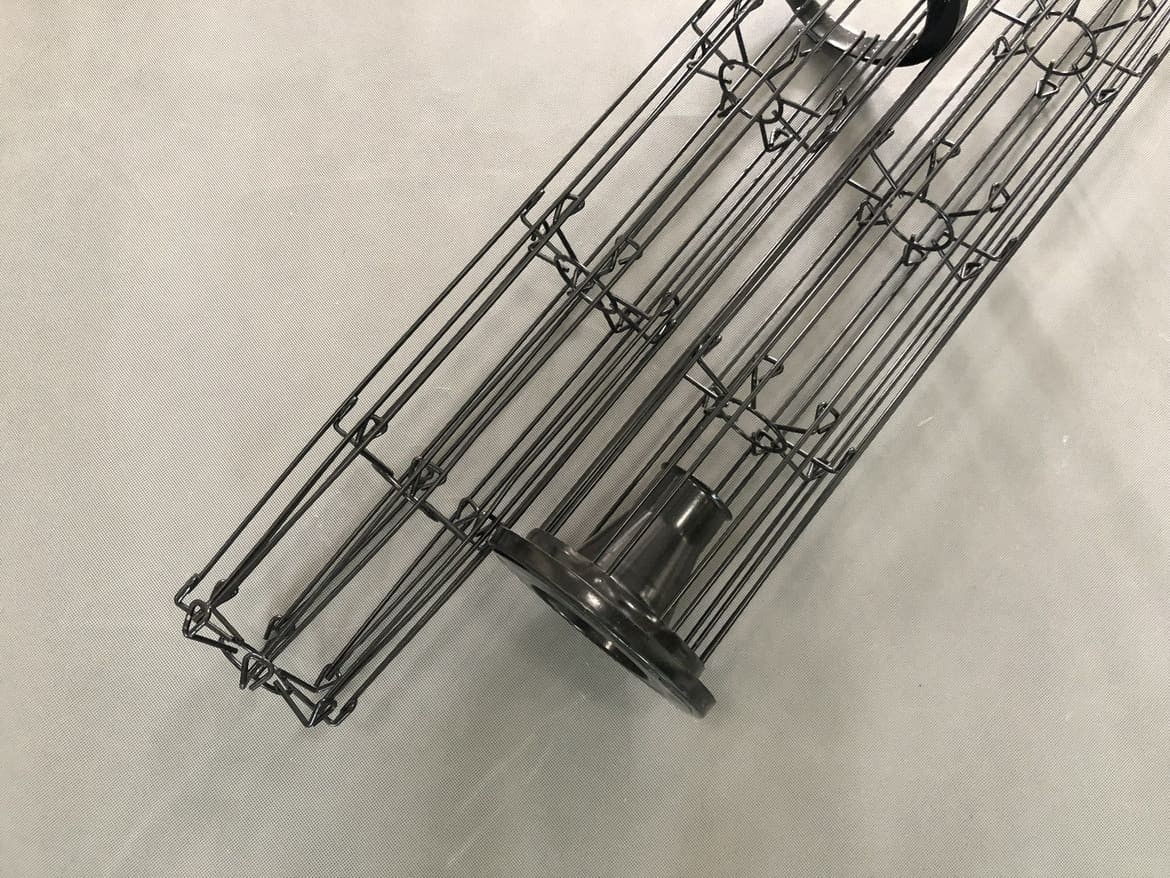
Dust collector cages are wire or metal frames designed to support filter bags within a dust collection system. Here’s why they are essential:
- Structural Support: They maintain the shape of filter bags, ensuring consistent airflow and effective filtration.
- Filter Media Integrity: Cages prevent bag collapse, maintaining the integrity of the filter media.
Importance and Applications
Industrial Applications
- Manufacturing: Used in factories where dust and debris are generated during production processes.
- Metalworking: Captures fine metal particles during grinding, cutting, or polishing.
- Food Processing: Ensures product purity by capturing dust and particulates in food production.
- Pharmaceuticals: Maintains clean air quality for sterile environments.
Benefits of Using Dust Collector Cages
- Efficient Filtration: Ensures even distribution of dust across the filter media for optimal capture.
- Extended Filter Life: By maintaining bag shape, cages extend the life of filter bags.
- Compliance with Regulations: Helps meet environmental and safety standards by reducing emissions.
Types of Dust Collector Cages
- Round Cages: The most common type, suitable for various filter bag designs.
- Oval Cages: Used in applications where space is a constraint.
- Flat Cages: Ideal for high-efficiency pleated filters.
- Custom Cages: Designed for specific industrial needs or unique filter bag shapes.
Choosing the Right Cage
- Filter Bag Compatibility: Ensure the cage matches the filter bag size and shape.
- Material: Choose based on the environment (e.g., stainless steel dust collector cages for corrosive environments).
- Size and Shape: Select cages that fit your dust collector system's dimensions.
- Coating: Consider coatings like galvanized or epoxy for added durability.
Maintenance Tips
- Regular Inspection: Check for wear, rust, or damage to maintain optimal filtration efficiency.
- Cleaning: Use pulse jet cleaning or manual shaking to remove dust from cages.
- Replacement: Replace cages when they show signs of significant wear or when filtration efficiency drops.
Innovations in Cage Design
- Smart Cages: Integration of sensors to monitor cage performance and predict maintenance needs.
- Modular Cages: Allowing for easy replacement and customization to meet specific filtration needs.
- Corrosion-Resistant Materials: New materials or coatings to enhance durability in harsh environments.
Conclusion
Dust collector cages are fundamental to industrial filtration systems, providing essential support for efficient dust collection. By understanding their importance, types, and maintenance, you can optimize your filtration process, ensure compliance with regulations, and extend the life of your filter bags. If you have any questions or would like to share your experiences with dust collector cages, feel free to leave a comment below or share this article on social media to help others understand their significance in industrial air filtration.