Revolutionizing Industrial Air Quality: The Comprehensive Guide to Dust Filter Socks
I. Introduction
In the industrial sector, where dust management is critical for health, safety, and efficiency, dust filter socks have become a cornerstone technology. These seemingly simple tools play a pivotal role in maintaining air quality, reducing equipment wear, and ensuring compliance with increasingly stringent regulations. This guide will delve deep into how dust filter socks are making a significant difference across various industries, providing real-world examples, technical insights, and strategic advice.
II. What Are Dust Filter Socks?
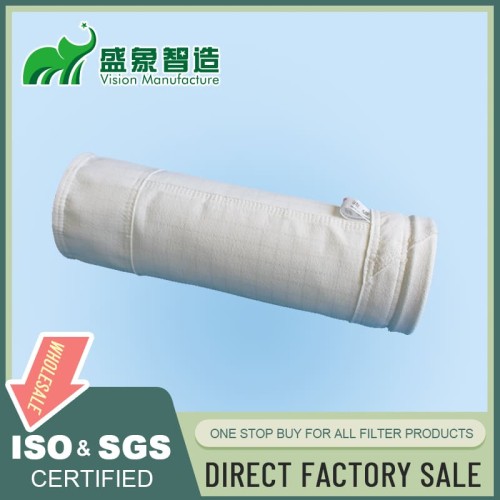
Dust filter socks, also known as dust collection socks, are cylindrical fabric filters designed to capture dust particles in industrial exhaust systems. They are constructed from materials like polyester, polypropylene, or aramid, chosen based on the dust type, temperature, and chemical resistance required:
- Polyester: Standard for general dust collection, offering good strength and resistance to many chemicals.
- Polypropylene: Ideal for moisture-laden environments due to its water resistance.
- Aramid: Used in high-temperature applications (up to 400°F) where other materials would degrade.
III. The Importance of Dust Filter Socks in Industrial Environments
- Air Quality Enhancement: Dust filter socks filter out fine particulate matter that can lead to respiratory diseases, eye irritation, and other health issues. A study by the National Institute for Occupational Safety and Health (NIOSH) in 2023 emphasized the link between poor indoor air quality in industrial settings and chronic respiratory diseases.
- Regulatory Compliance: With regulations like the Clean Air Act becoming stricter, facilities are under pressure to reduce emissions. Dust socks help in meeting standards set by OSHA for workplace air quality and EPA for environmental emissions.
- Operational Efficiency: By reducing dust accumulation on machinery, these socks minimize downtime for cleaning or repairs, and enhance the performance of dust collection systems.
- Cost Savings: They offer a cost-effective solution for extending the life of more expensive filter media, reducing both replacement frequency and energy costs for operating fans at higher pressures.
IV. Real-World Applications and Success Stories
- Woodworking Industry: In 2024, a furniture manufacturing plant in Oregon upgraded to dust filter socks with special coatings to reduce static build-up, which previously caused clogs. They reported a 50% increase in filter life and a 20% reduction in dust emissions, significantly lowering maintenance costs.
- Pharmaceuticals: A leading pharmaceutical company in Germany implemented advanced dust socks made from antistatic materials in 2023 to combat dust in their tablet production line. This move reduced the risk of cross-contamination, ensuring product quality and compliance with GMP (Good Manufacturing Practice) standards.
- Metalworking: A metal fabrication facility in Japan faced challenges with fine metal dust. By adopting high-efficiency dust socks in early 2025, they not only improved air quality but also reclaimed valuable metal dust for recycling, turning waste into profit.
V. Installation and Customization
- Ease of Installation: Dust filter socks are typically installed over existing filter cages, making them an easy retrofit for many existing systems.
- Customization for Optimal Performance: They come in various sizes or can be custom-made to fit specific dust collectors. Factors like the type of dust, airflow rate, and the operational environment dictate the best design:
- Length and Diameter: To match the collector's specifications.
- Material Thickness: Influences dust holding capacity and filtration efficiency.
- End Treatments: Whether open, snapped, or with rings, affects how securely they fit.
- Case Example: In 2022, a cement plant in Texas customized their dust socks with reinforced seams to handle the abrasive nature of cement dust, resulting in less frequent filter replacements.
VI. Maintenance and Longevity
- Cleaning Regimes: Regular cleaning extends the life of dust socks. Techniques include:
- Pulse Jet Cleaning: Brief bursts of compressed air dislodge dust from the sock into a hopper for disposal.
- Manual Cleaning: For smaller systems, socks might be removed and cleaned manually or in an industrial washer.
- Monitoring for Efficiency: Using differential pressure gauges to monitor when socks need cleaning or replacement ensures system efficiency. An example from a 2024 study showed that consistent monitoring at a chemical plant reduced unexpected shutdowns by 30%.
- Replacement Timing: Depending on the dust load and cleaning efficiency, replacement intervals can range from 6 months to over a year.
VII. Choosing the Right Dust Filter Socks
- Material Selection: The choice depends on:
- Dust Characteristics: Size, abrasiveness, moisture content.
- Temperature: Must withstand the process temperatures without degradation.
- Chemical Exposure: Resistance to solvents or corrosive substances in the dust.
- Expert Consultation: Engaging with filtration specialists can lead to better outcomes. For instance, a food processing plant in Brazil in 2023 switched to food-grade dust socks after consulting with experts, improving product safety and compliance.
VIII. Emerging Technologies and Trends
- IoT Integration: By 2025, many dust collection systems are expected to incorporate IoT for predictive maintenance, where sensors monitor filter health, alerting when socks need attention.
- Nanofiber Technology: Offering higher filtration efficiency for submicron particles without increasing pressure drop, this is becoming popular in industries with high clean air demands like electronics manufacturing.
- Sustainability: There's a push towards more sustainable materials and designs, reducing waste, and improving recyclability of used socks.
IX. Conclusion
Dust filter socks are not just an accessory but a fundamental component in modern industrial dust management. They offer significant benefits in air quality, operational efficiency, and regulatory compliance. By understanding and leveraging the right materials, maintenance practices, and emerging technologies, industries can see substantial improvements in their air quality management strategies.
X. Call to Action
- Explore More: Check out our detailed product guides or case studies to find the perfect filtration solution for your needs.
- Get in Touch: For expert advice or custom solutions, contact us today. Let's enhance your air quality management together.