Real-World Examples of Dust Filter Bag Applications in Various Industries
Introduction
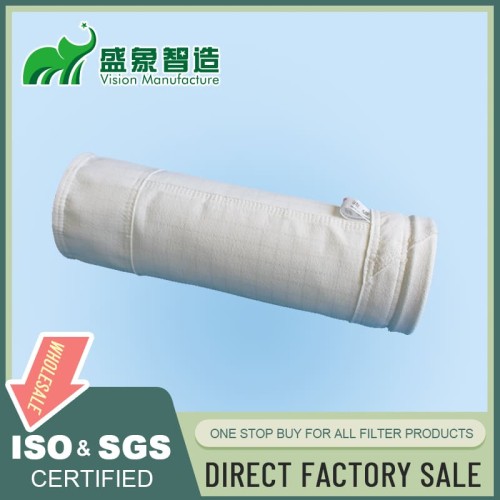
Plant engineers, maintenance teams, and environmental managers across heavy industries often face the challenge of capturing diverse dust types—abrasive, fine, sticky, high-temperature, or chemically aggressive—while meeting strict emission limits, minimizing downtime, and controlling OPEX. Dust filter bags remain a cornerstone of pulse-jet, reverse-air, and shaker baghouses due to their versatility, high capture efficiency, and cost-effectiveness. In this article, we share real-world examples of dust filter bag applications in key industries, highlighting material choices, performance outcomes, and practical lessons learned to help you select and optimize bags for your specific process.
Cement Industry: Handling Fine, Abrasive, Alkaline Dust
Cement plants generate massive volumes of silica-rich, alkaline dust from raw meal milling, kiln exhaust, clinker cooling, and packaging. This dust is abrasive and tends to blind standard fabrics quickly.
Real-world example: A large cement plant in Southeast Asia upgraded from standard polyester bags to PTFE-membrane laminated fiberglass bags in the kiln baghouse. The membrane prevented alkali-induced hydrolysis and improved cake release. Results included bag life extension from 12–15 months to 28–36 months, differential pressure reduction of 35–45%, and annual savings of approximately $120,000 in replacements and energy. Emissions consistently stayed below 10 mg/Nm³, supporting local compliance.
Steel Industry: Capturing Metallic Fumes and High-Temperature Dust
Steel production produces hot, metallic oxide dust and fumes from electric arc furnaces, sintering, and rolling mills at temperatures often 150–250°C.
Real-world example: A steel mill in an emerging market retrofitted its sintering baghouse with high-temperature aramid (Nomex) bags. The bags resisted thermal degradation and abrasion from iron oxide fines. Bag life increased from 10–14 months to 24–30 months, differential pressure stabilized 30% lower, and fan energy use dropped noticeably. This upgrade helped meet stricter particulate limits while reducing unplanned outages.
Food Processing Industry: Preventing Cross-Contamination
Food plants handle fine organic dust (flour, sugar, spices) where hygiene and cross-contamination prevention are critical.
Real-world example: A flour milling facility in Southeast Asia used non-shedding, FDA-compliant polyester bags in sifters and conveyors. The bags prevented fiber release and captured fines effectively. No contamination incidents occurred over 18 months, with bag life averaging 20 months and minimal cleaning cycles, supporting HACCP compliance and product purity.
Chemical Industry: Resisting Corrosive & Sticky Fumes
Chemical processes generate corrosive, sticky, or hygroscopic dust from pigments, fertilizers, and intermediates.
Real-world example: A specialty chemical plant handling fine pigments upgraded to PPS (Ryton) bags with PTFE lamination. The bags resisted acid gases and prevented blinding from sticky particles. Bag life extended from 12 months to 30+ months, differential pressure dropped 40%, and emissions remained below 5 mg/Nm³, ensuring compliance and reducing maintenance costs.
Pharmaceutical Industry: Ensuring Sterile & Contamination-Free Operation
Pharma requires ultra-clean filtration to avoid product contamination during API drying, coating, and packaging.
Real-world example: A tablet manufacturing plant used HEPA-rated, non-shedding polyester cartridges (adapted bag-style). The system captured fines without fiber release. No cross-contamination events in 24 months, with cartridge life at 20–24 months and consistent GMP compliance during audits.
Power Generation Industry: Managing Fly Ash in Coal-Fired Boilers
Coal-fired power plants produce abrasive, high-temperature fly ash that demands robust filtration.
Real-world example: A power station in an emerging market used fiberglass bags with PTFE coating in the boiler baghouse. Bags resisted 220–250°C gases and abrasion. Life reached 36 months, differential pressure stabilized, and energy savings from lower fan load were significant, supporting emission compliance.
Conclusion
Dust filter bags are versatile and proven across industries, from cement and steel to food, chemicals, pharma, and power generation. By selecting the right material (polyester, fiberglass, aramid, PPS, PTFE-laminated), optimizing cleaning, and monitoring performance, plants achieve cleaner operations, regulatory compliance, and substantial cost savings. For tailored dust filter bag solutions or site assessments, contact Vision Filter specialists today.
About the Author
Written by: Industrial Filtration Application Engineer
10+ years supporting dust collection upgrades in cement, steel, mining, incineration, and aluminum smelting plants across the Middle East, Africa, Indonesia, Vietnam, and Russia.