The main reason for affecting the life of the dust filter bags
Introduction
Plant engineers and maintenance supervisors in cement, steel, power generation, chemicals, and mining often experience premature dust filter bag failures, leading to leaks, high differential pressure, increased energy use, frequent shutdowns, and non-compliance with emission standards. Dust filter bags are critical for capturing particulates in pulse-jet, reverse-air, and shaker baghouses, but their life is influenced by factors like temperature, chemical exposure, dust characteristics, cleaning methods, and manufacturing quality. Understanding these reasons helps operators extend bag life, reduce costs, and optimize system performance. This article examines the main factors affecting dust filter bag life, real-world examples, and practical strategies to maximize durability and efficiency in industrial dust collection.
Main Reasons Affecting Dust Filter Bag Life
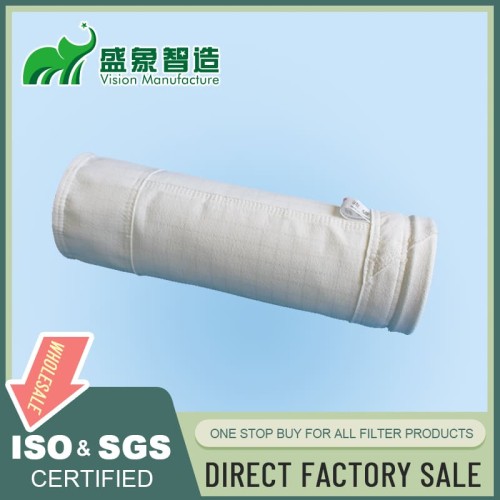
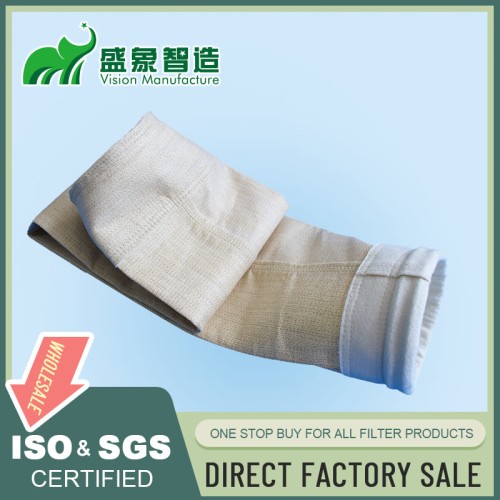
Dust filter bag life varies from 12–48 months depending on conditions. Key factors include:
- High Temperature: Temperatures above media limits cause shrinkage, embrittlement, or melting. For example, polyester degrades above 150°C, while fiberglass handles 260°C.
- Chemical Exposure: Acids, alkalis, or hydrocarbons cause hydrolysis or corrosion. PPS bags resist acids, but fail in high-alkali streams.
- Dust Characteristics: Abrasive dust (silica, metals) scours fabric; sticky dust blinds pores, raising pressure drop.
- Cleaning Methods: Excessive pulsing (high pressure/frequency) causes mechanical wear; under-cleaning leads to blinding.
- Manufacturing Quality: Poor stitching or material inconsistencies cause early leaks; high-quality bags with sealed seams last longer.
In harsh environments, these factors can cut bag life by 50% or more, increasing OPEX.
Real-World Example: Aluminum Smelting Plant
An aluminum smelting plant dealt with short bag life due to high temperatures and fluoride exposure. Standard bags failed after 8–10 months, causing leaks and emission spikes above standards.
The plant upgraded to Nomex aramid bags with PTFE lamination for resistance. Results:
- Bag life extended to 24–30 months.
- Differential pressure reduced 40%.
- Replacement frequency cut by 60%.
- Annual savings approximately $110,000 in bags and downtime.
- Emission compliance achieved consistently.
Practical Recommendations to Extend Dust Filter Bag Life
To maximize bag longevity:
- Select Appropriate Material: Use Nomex for high temp, PPS for acids, PTFE-laminated for chemicals/stickiness.
- Monitor Temperature & Chemistry: Install sensors to keep conditions within media limits; adjust as needed.
- Optimize Cleaning: Use clean-on-demand pulsing at 80–110 psi with longer intervals to reduce stress.
- Control Dust Load: Pre-filter coarse particles to lower abrasion on bags.
- Inspect Regularly: Check for wear, leaks, or blinding quarterly; replace proactively.
- Choose Quality Suppliers: Opt for bags with sealed seams and tested efficiency (VDI/ASTM standards).
Recent Industry Context
The global industrial dust collector market is projected to grow at a CAGR of 5.0–5.4% from 2025 to 2030, according to 2025 reports from Grand View Research, Mordor Intelligence, and ResearchAndMarkets, with emphasis on long-life media to reduce OPEX in high-temp or corrosive applications. Innovations like smart monitoring and coated fabrics are helping extend bag life by 20–50% in industries like aluminum smelting.
Conclusion
Understanding the main reasons affecting dust filter bag life — temperature, chemicals, dust, cleaning, and quality — allows operators to select and maintain bags for optimal performance, lower costs, and compliance. For high-quality dust filter bag solutions or site assessments, contact Vision Filter specialists today.
About the Author
Written by: Industrial Filtration Application Engineer
10+ years supporting dust collection upgrades in cement, steel, mining, incineration, and aluminum smelting plants across the Middle East, Africa, Indonesia, Vietnam, and Russia.