Custom Filter Fabric Manufacturer: Bio-Based for Nigerian Food Processing
Introduction
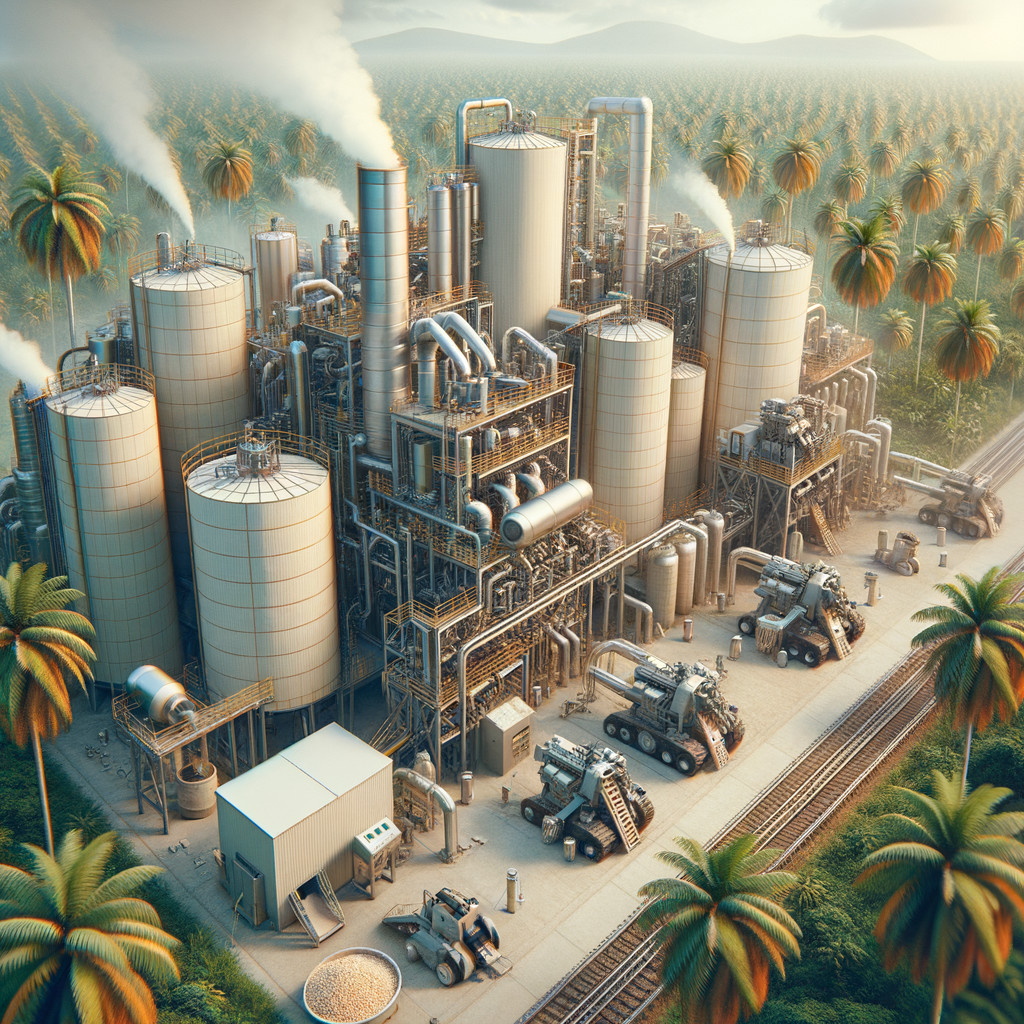
Nigerian food processing facilities, from cassava mills in Ogun to palm oil refineries in Delta State, struggle with contamination risks, humid conditions, and plastic waste that hinder NAFDAC compliance. As a custom filter fabric manufacturer focused on bio-based innovations, we create plant-derived solutions that ensure food safety while promoting sustainability. This guide examines bio-based filter fabrics tailored for Nigeria's food sector, helping buyers achieve hygienic operations under the country's growing bioeconomy initiatives.
Key Properties and Benefits
- Biodegradable Composition: Derived from corn starch or sugarcane, decomposes naturally, reducing landfill waste in line with Nigeria's circular economy goals.
- Food-Grade Certification: Meets FDA/NAFDAC standards, preventing chemical leaching into products like flour or oils.
- Humidity and Oil Resistance: Hydrophobic treatments handle tropical moisture and greasy residues, extending fabric life by 30-40% in humid environments.
- High Filtration Precision: Micron-rated pores capture contaminants without impeding flow, maintaining efficiency in high-volume processing.
- Custom Weaving: Manufacturer-direct tailoring for specific mesh sizes and shapes, fitting local equipment seamlessly.
Applications
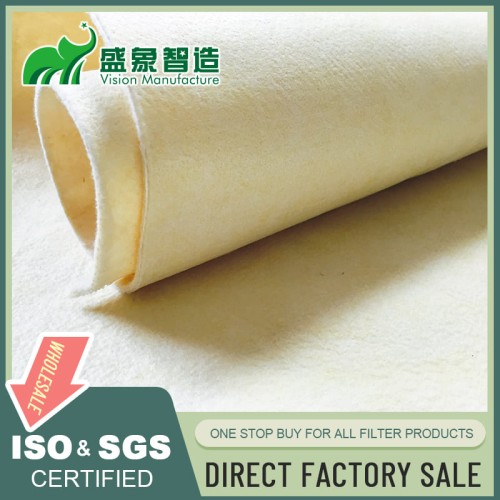
Bio-based filter fabrics from custom manufacturers are key in Nigerian food processing for sieving, dewatering, and air filtration in mills and extractors. They suit cassava garri production or groundnut oil pressing, ensuring purity amid humid, dusty settings. Compatible with filter fabrics systems, these options support NAFDAC hygiene requirements in agro-industrial hubs.
Real-World Case Example
- A cassava processing plant in Lagos upgraded to custom bio-based filter fabrics for their press cloths.
- Traditional synthetics clogged quickly from starch residues, causing 15% product contamination and frequent disposals.
- New fabrics lasted 9 months, cutting waste by 50% and costs by NGN 2 million annually.
- Improved purity met NAFDAC standards, boosting export eligibility.
- Biodegradability reduced environmental fees, saving an extra 20%.
- Throughput increased 22%, enhancing daily output.
Recent Industry Context
Per the Bio4Africa project (2025 updates), Africa's bioeconomy is expanding with local biomass like sugarcane bagasse for nonwovens, aiming for sustainable agri-food chains. In Nigeria, this supports the 2025 National Bioeconomy Strategy, urging food processors to adopt bio-based materials to cut plastic pollution and align with EU export regs.
Practical Recommendations
- Assess contaminants: Test for starch or oil types to select corn-based or cellulose fabrics.
- Ensure certifications: Verify NAFDAC/FDA compliance for food contact safety.
- Adapt to climate: Add antimicrobial coatings for Nigeria's humidity to prevent mold.
- Plan for scalability: Order custom rolls in bulk for growing operations.
- Collaborate with manufacturers: Choose a custom filter fabric manufacturer for prototypes and local audits.
Comparison Chart
| Material | Biodegradability | Food Safety | Cost Efficiency |
|---|---|---|---|
| Synthetic Polyester | Low | Medium | High |
| Bio-Based Corn | High | Excellent | Medium |
| Sugarcane Nonwoven | High | High | Medium-High |
| Cotton Blend | Medium | Good | Low-Medium |
Frequently Asked Questions
- What are bio-based filter fabrics for Nigerian food processing? Plant-derived materials like corn starch, custom-made for hygienic filtration without synthetics.
- How do they improve sustainability? Biodegradable, reducing waste and supporting Nigeria's bioeconomy push.
- Are they NAFDAC-compliant? Yes, designed for food-grade use in processing.
- Can fabrics be customized for local plants? Absolutely, as a manufacturer, we tailor to fit filter bags and presses.
- How long do they last in humid conditions? 6-12 months, with treatments resisting moisture and oils.
Conclusion
Bio-based innovations from a custom filter fabric manufacturer are transforming Nigerian food processing for safety and eco-friendliness. Contact us for a free quote or download our Bio-Fabric Guide to optimize your line.
Author Bio: As the Chief Content Strategist and Industrial Filtration Expert for airfiltercartridge.com, Sam brings over 15 years of experience in B2B manufacturing, focusing on SEO-driven content that empowers engineers and buyers with practical insights.